7 Best Herbs for Lymph Drainage
Have you ever felt heavy in your body for no real reason? That strange puffiness around your face, the tired feeling that lingers, or that dull sluggishness you can’t quite explain. You try to drink more water, you sleep early, you even cut down on snacks, yet your body still feels stuck. It’s not always about food or fitness. Sometimes your lymphatic system is simply asking for attention.
Most people don’t talk much about the lymphatic system. It’s not as famous as the heart or the liver, but it’s quietly doing important work every single day. Think of it as the body’s natural cleaner. It collects waste, carries away toxins, and keeps your inner world balanced. When it’s working well, you feel light, energized, and alive. But when it slows down, everything starts to feel blocked.
This is where herbs shine beautifully. They know how to encourage the body back into rhythm. They don’t force or shock the system; they nudge it gently, like a reminder from nature herself. If you’ve ever wanted to detox without harsh cleanses or synthetic supplements, then you’ll love what these herbs can do for you.
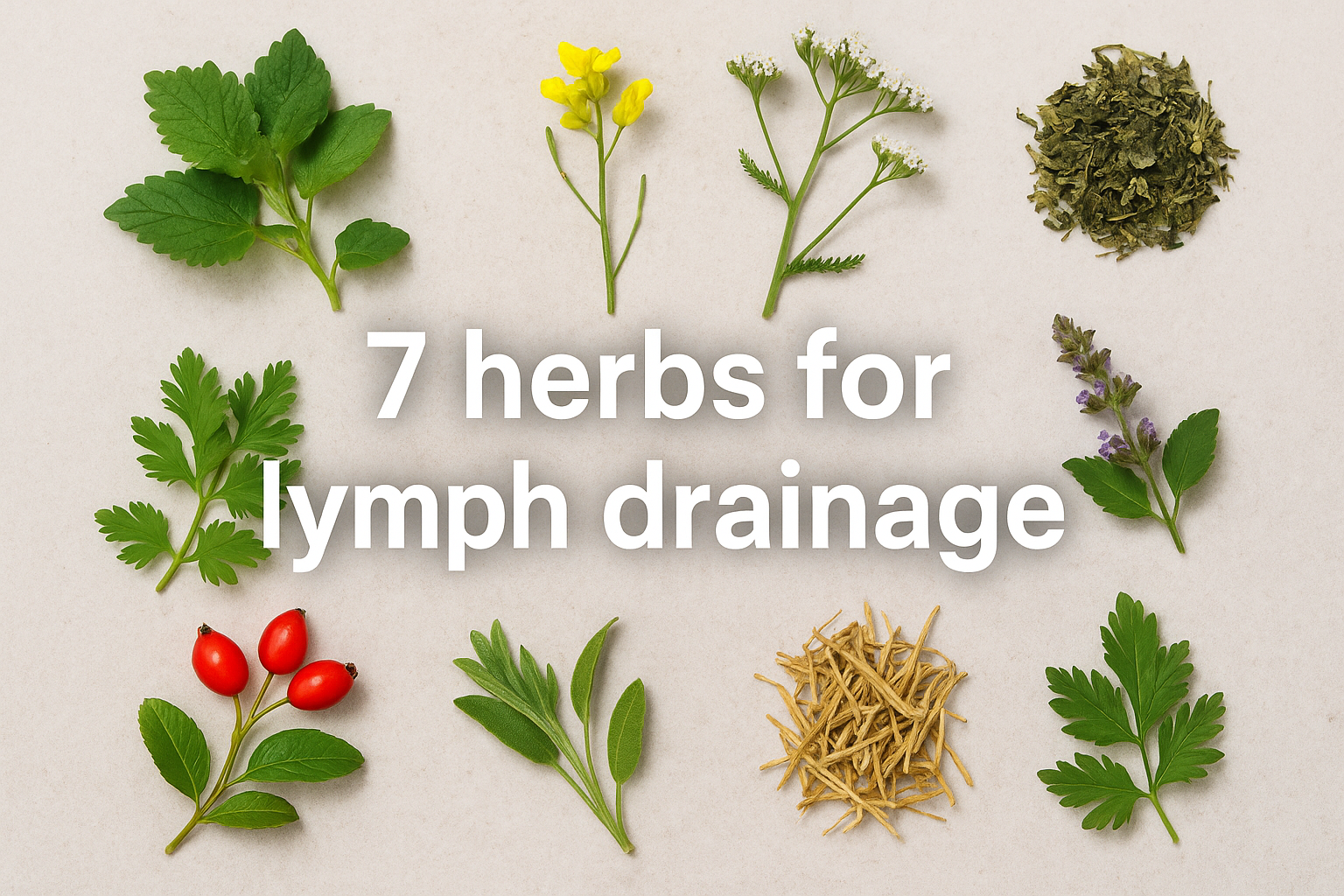
So let’s talk about seven amazing herbs that help your lymph system flow freely again.
Cleavers (Galium aparine)
If your lymphatic system could choose a best friend, it would probably pick cleavers. You might have seen it before without realizing how special it is. It’s that sticky little plant that clings to your clothes when you walk through tall grass. In herbalism, cleavers are known as one of the best herbs for moving lymph and clearing blockages in the body.
When you drink cleavers tea, it feels like fresh water flowing through a mountain stream. It has that same cleansing effect inside you. It helps reduce puffiness, encourages fluid movement, and supports detox from within. One of the simplest ways to use it is to steep a handful of the fresh herb in cool water overnight. In the morning, strain and sip slowly throughout the day. The flavor is light and green, and the effect is deeply refreshing.
Red Clover (Trifolium pratense)
Red clover is such a gentle healer. It grows quietly in meadows, with pinkish flowers that seem to smile at the sun. This humble plant is a powerful cleanser for both the blood and lymph. It’s perfect for those who feel tired, heavy, or as if their skin is showing signs of inner imbalance.
Herbalists have used red clover for generations to support natural detoxification and hormonal balance. It’s mild enough for everyday use and blends beautifully with other herbs. I often combine it with cleavers and calendula for a daily cleansing tea. The taste is slightly sweet, the energy is calm, and the results are steady and lasting. Red clover works slowly, but that’s part of its wisdom. Healing isn’t meant to be rushed.
Burdock Root (Arctium lappa)
Burdock is one of those herbs that teaches patience and strength. Its roots grow deep into the earth, pulling up minerals and nourishment that your body craves. Inside your system, burdock works like a deep cleanser. It helps the liver and lymphatic system work together to remove waste and restore balance.
When you drink burdock tea, you can almost feel its earthy power grounding you. It’s especially helpful if you often feel bloated or sluggish after meals. The root supports digestion, skin clarity, and healthy elimination. I love simmering burdock root for about twenty minutes to make a warm decoction. The flavor is rich, slightly nutty, and comforting. Burdock reminds the body how to cleanse gently without stress or strain.
Echinacea (Echinacea purpurea)
You’ve probably heard of echinacea for immunity, but it does so much more than that. This vibrant purple flower also helps keep your lymphatic system moving. It stimulates white blood cells and encourages your body to clear waste efficiently.
If you’ve ever noticed swollen lymph nodes or that feeling of heaviness during a cold, echinacea can be a powerful ally. It’s not an herb to take all year round but rather something to use when your body feels congested or when you need a short-term immune boost. You can take it as a tincture or tea, and you’ll often notice a slight tingling on your tongue. That’s how you know it’s working. It’s lively, it’s active, and it’s helping your inner system stay alert and responsive.
Calendula (Calendula officinalis)
Just looking at calendula’s golden petals can lift your mood. This sunny flower brings light wherever it goes. Inside the body, it helps clear inflammation, support skin health, and promote lymphatic flow. Calendula’s cleansing power is gentle yet steady, and it’s especially lovely for people who carry tension or mild swelling.
Drinking calendula tea feels soothing and warm. It works quietly, reducing buildup in the tissues and helping your system find balance again. I often think of it as an internal sunshine that melts away sluggishness. Calendula can also be used externally in oils or creams to help the skin, since the lymph and skin are deeply connected. When one is clear, the other glows too.
Dandelion Root (Taraxacum officinale)
Dandelion might look like a weed, but it’s one of the most valuable herbs for detox. Those bright yellow flowers that pop up everywhere are more than they seem. The root is a strong tonic for both the liver and the lymphatic system. It helps your body eliminate waste, reduce water retention, and restore a sense of lightness.
Dandelion root has a bitter flavor, but that’s part of its magic. That bitterness wakes up your digestion and signals your body to start releasing toxins naturally. You can roast the root and brew it like coffee or simmer it gently for tea. Over time, it helps you feel more balanced, more awake, and less bloated. It’s like giving your internal system a soft, refreshing sweep.
Ginger (Zingiber officinale)
Ginger is pure warmth. It’s that friendly kick your body sometimes needs to wake up and move. Known for improving circulation and reducing inflammation, ginger also helps the lymphatic system push waste through. It keeps fluids from stagnating and helps your whole system feel alive again.
You can enjoy ginger in tea, juice, or even as an infused honey. It pairs beautifully with nearly every herb on this list. If your body tends to feel cold or heavy, ginger adds that spark of fire to get things moving again. It’s simple, it’s delicious, and it makes your body say thank you.
How to Use These Herbs with Care
The best way to work with these herbs is gently and consistently. You don’t need to use all of them at once. Start with two or three and see how your body responds. A simple blend of cleavers, red clover, and a touch of ginger makes a beautiful daily tea.
Steep a tablespoon of your mix in a cup of hot water for about fifteen minutes. Strain and sip slowly. The taste is earthy and soothing. Over a week or two, you might notice subtle changes. Maybe your energy feels steadier. Maybe your face looks a bit brighter. Maybe your digestion feels smoother. The beauty of herbs is that they work quietly, layer by layer, restoring your body’s natural balance.
Herbs are not here to rush you. They ask you to listen. If something feels too strong, ease up. If it feels right, stay steady. Healing happens in small, consistent steps.
Simple Lifestyle Habits to Support Lymph Flow
Herbs do their best work when supported by simple, mindful habits. Movement is one of the easiest ways to keep your lymph system healthy. You don’t need an intense workout. Gentle stretching, walking, or even dancing in your kitchen helps keep everything flowing.
Drink plenty of clean water. The lymphatic system depends on hydration to move smoothly. Try adding a squeeze of lemon or a few cucumber slices to make it more enjoyable. You can also support lymph flow with dry brushing or light self-massage. These practices help awaken your circulation and remind your body to keep things moving.
Sweating is another natural detox pathway. Whether through a warm bath, light exercise, or a visit to the sauna, it helps your system release what it no longer needs. Even deep breathing plays a part. Each breath gives your body oxygen and gently pumps the lymph forward. Combine all these with herbal support, and you’ll notice your body becoming lighter, calmer, and more vibrant.
A Simple Daily Lymph Tea Recipe
Here’s one of my favorite everyday teas to help your body feel refreshed.
One part cleavers
One part red clover
Half part ginger
Add a tablespoon of this blend to a cup of hot water. Cover and steep for fifteen minutes. Strain and sip slowly. If you enjoy a touch of sweetness, add a bit of raw honey or a squeeze of lemon. This tea tastes clean and comforting, and it supports your lymph system in a natural, gentle way.
Drink it once a day for a week, and notice how your body feels. The results might not be dramatic, but they’ll be real. You may find yourself breathing a little easier, feeling a little lighter, and waking up with more energy.
Trusting Your Body’s Natural Rhythm
Your body is wise. It knows how to cleanse itself; it just sometimes needs a little help remembering. Herbs don’t take over your body’s job. They simply offer gentle encouragement. When your lymph flows, your entire system feels better. Your energy increases, your skin brightens, and your mood lifts.
You don’t need to rush the process. Healing takes time, and that’s perfectly okay. Drink your tea, move your body, breathe deeply, and let nature do what she does best.
Let Nature Help You Flow Again
There’s a quiet kind of beauty in taking care of yourself this way. You’re not forcing anything, not punishing your body with harsh cleanses or endless supplements. You’re simply creating space for balance to return. Herbs like cleavers, red clover, burdock, and ginger remind your system of how it’s meant to feel.
So if you’ve been feeling heavy or stagnant lately, take a moment to pause. Make yourself a warm cup of tea, breathe, and let your body know you’re listening. Sometimes, healing begins with something as simple as that.
Are you ready to let your body flow freely again?