Have you noticed how so many people around you are coughing these days? Maybe you’ve been waking up feeling a bit tight in your chest or short of breath after climbing the stairs. The truth is, our lungs are struggling. Between city pollution, constant air conditioning, post-viral fatigue, and even the stress of modern life, our respiratory systems are under more pressure than ever. And yet, the air we breathe is what fuels every single cell in our body. So, how can we protect this delicate but powerful system that keeps us alive?
That’s where herbs come in. Real, living, evidence-backed plants that have been used for centuries to open airways, clear mucus, soothe inflammation, and help the body do what it’s meant to do—breathe easily. As a practising herbalist, I’ve seen herbs work wonders for people who thought they’d never catch a full breath again. The best part is, nature hasn’t changed; it’s still offering us the same gifts our ancestors used to heal.
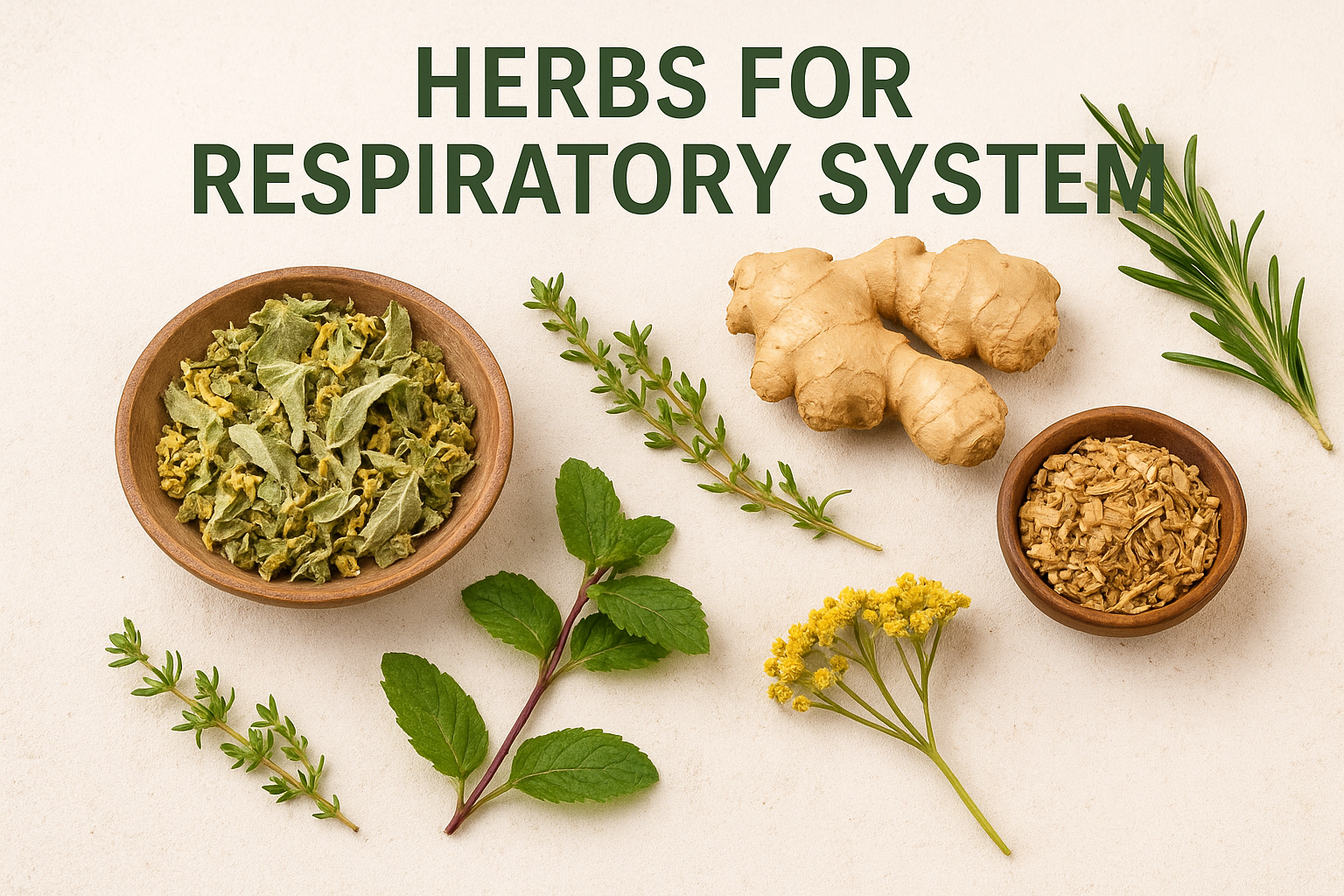
So let’s talk about the ten herbs that are backed by research and have proven to be reliable allies for your lungs in 2025.
Why Our Lungs Need More Support Than Ever
It’s not just pollution anymore. The air we breathe today is filled with micro-particles, synthetic chemicals, and invisible irritants that our bodies were never meant to handle daily. Then add long hours in closed offices, air conditioning, or city apartments with little ventilation—it’s no surprise that more people are experiencing asthma, allergies, and lingering coughs.
Our lungs are self-cleaning machines, but they can only do so much. That’s why herbs can be such powerful partners. They help the body expel what doesn’t belong, calm inflammation, and nourish the tissue that lines the respiratory tract. Think of them as gentle repairmen for your lungs—restoring, soothing, and strengthening with each sip or breath of herbal steam.
How Herbs Support Lung Health
When you take herbs for your lungs, you’re not just targeting one symptom. You’re supporting the entire respiratory system—from your sinuses to your bronchi to your alveoli, those tiny sacs where oxygen becomes life.
Some herbs are expectorants, helping loosen and clear mucus. Others are antimicrobial, keeping the airways clean from bacteria and viruses. A few are adaptogens, supporting your body’s resilience and helping you handle physical or emotional stress that can affect breathing. Together, they create balance. They don’t suppress; they restore. And that’s the difference between masking a symptom and healing from the inside out.
1. Mullein (Verbascum thapsus)
If there’s one herb I’d recommend to anyone with tired or congested lungs, it’s mullein. Those soft, velvety leaves act like a balm for the respiratory tract. Traditionally, it’s been used to help people with chronic coughs and irritation. Science backs this up too, showing that mullein can help the lungs clear mucus while soothing inflamed tissue.
You can drink it as a tea or inhale it gently as steam. Some herbalists even use it as part of smoking blends to help wean off tobacco. It’s simple, earthy, and safe for long-term use.
2. Licorice Root (Glycyrrhiza glabra)
Licorice root is a beautiful harmonizer. It has a sweet, earthy taste and a powerful soothing quality that coats sore throats and calms dry, irritated lungs. Research shows licorice contains glycyrrhizin, which has antiviral and anti-inflammatory effects.
I often add it to tea blends because it enhances the flavor while amplifying the effects of other herbs. It’s a wonderful support for people dealing with dry coughs or bronchial inflammation. Just be mindful if you have high blood pressure—use a deglycyrrhizinated version or consult a practitioner.
3. Elecampane (Inula helenium)
Elecampane is one of those deep-rooted herbs that feels almost ancient when you work with it. It has a slightly bitter, aromatic taste and is known for its ability to dig deep into the lungs to clear out congestion. It’s especially useful for people with thick mucus or a lingering cough after an infection.
Modern studies confirm its antibacterial properties, making it effective for respiratory infections. You can use the root in a decoction, simmering it slowly, or take it as a tincture. It’s a true lung cleanser that brings a sense of strength back to the breath.
4. Thyme (Thymus vulgaris)
Thyme isn’t just for cooking—it’s one of nature’s most powerful respiratory allies. Its essential oil, rich in thymol, acts as a natural disinfectant for the lungs. It helps loosen mucus, clear infections, and support immunity.
If you’re someone who’s constantly around people or working in close spaces, thyme tea or steam inhalation can make a huge difference. It’s simple: a few sprigs of fresh thyme in boiling water, inhale deeply, and feel your airways open. Thyme reminds you that healing doesn’t always come in a pill; sometimes, it’s growing right in your kitchen.
5. Osha Root (Ligusticum porteri)
Osha root has long been used by Native American healers for its ability to support oxygen flow and protect the lungs. It has a unique, slightly spicy aroma and works beautifully for people who experience tightness or shortness of breath.
Studies show that Osha root has antiviral and antimicrobial properties, making it helpful during seasonal transitions or when your immune system feels low. It’s often used in tincture form, but sourcing is important—Osha is becoming rare in the wild, so look for cultivated or ethically harvested roots.
6. Eucalyptus (Eucalyptus globulus)
When you think of clear breathing, you probably think of that cool, minty eucalyptus scent. That’s because its active compound, cineole, has been shown in clinical studies to reduce inflammation, fight bacteria, and ease sinus congestion.
I love using eucalyptus in steam inhalations—just a few drops of essential oil in a bowl of hot water, cover your head with a towel, and breathe slowly. It helps open the lungs and clear mucus almost instantly. Just remember to use it in moderation and avoid direct contact with your skin or eyes.
7. Ginger (Zingiber officinale)
Ginger isn’t only for your stomach. Its warming, stimulating nature helps the lungs release toxins and expand the airways. If you’ve ever sipped hot ginger tea when you were congested, you know the relief it brings.
Modern research shows ginger can act as a natural bronchodilator, helping improve airflow in people with respiratory issues. I like to combine it with honey and lemon—it’s simple, comforting, and powerful. For anyone who feels sluggish or heavy in the chest, ginger is like a wake-up call for your lungs.
8. Peppermint (Mentha piperita)
Peppermint is refreshing, cool, and light, but don’t let that fool you—it’s a potent herb for the respiratory system. Menthol, its key compound, helps relax airway muscles and clear nasal passages. That’s why peppermint tea or vapor feels so soothing when you’re congested.
It’s a great daily herb for people who live in polluted areas or spend long hours indoors. Peppermint also lifts your mood, so it’s perfect for those long workdays when your chest feels heavy and your energy is low.
9. Astragalus Root (Astragalus membranaceus)
Astragalus isn’t for acute infections—it’s for long-term lung and immune support. It’s one of the great adaptogens from Traditional Chinese Medicine, helping your body adapt to stress while strengthening the lungs’ defensive energy.
Modern studies support its antiviral and anti-inflammatory properties, making it ideal for people who catch every cold that comes around. I often recommend astragalus tea or tincture through the fall and winter to build resilience. It doesn’t work overnight, but over time, it helps you feel stronger and less reactive to every change in the air.
10. Lobelia (Lobelia inflata)
Lobelia is sometimes called the “lung herb” for a reason. It helps the body take deeper, fuller breaths by gently stimulating the respiratory center in the brain. It’s traditionally used for asthma and bronchitis, though it’s very potent, so small doses are best.
Lobelia can help loosen congestion and promote a calm, steady breathing rhythm. I always tell people to use it under the guidance of an experienced herbalist, but when used properly, it’s one of the most effective herbs for opening the lungs naturally.
Creating Your Own Lung-Supporting Blends
One of the most beautiful things about herbs is how they work together. You can combine them to create a daily routine that fits your needs.
Try a Lung Cleanse Tea with mullein, thyme, and ginger. It’s excellent for clearing mucus and improving circulation. For daily immune support, make a Cold Season Blend with astragalus, licorice, and peppermint. If you’re feeling stuffed up, a Deep Breathing Steam using eucalyptus, thyme, and peppermint can make your sinuses feel brand new.
The key is consistency. Herbs don’t act like pharmaceuticals—they work gently and gradually, strengthening your lungs with time and care.
How to Use These Herbs Day to Day
You don’t need to be an herbalist to bring these plants into your life. Herbal teas are the easiest place to start. A warm cup of thyme or mullein tea twice a day can make a visible difference over time.
Steam inhalations are another powerful practice. They open your lungs and help release built-up toxins from your respiratory system. Tinctures and syrups are also great if you want something stronger or more convenient to carry around.
And don’t forget your food—fresh ginger, thyme, and peppermint can be part of your meals. Healing can be as simple as what you put on your plate.
Supporting Your Lungs Naturally
Herbs can do a lot, but your lifestyle matters too. Keep your home well-ventilated, stay hydrated, and try a few deep breathing exercises every day. Move your body, even if it’s just a short walk outside. Avoid harsh sprays, smoke, and heavy perfumes that can irritate your lungs.
You can also bring in plants like peace lilies and spider plants to clean indoor air naturally. Little things make a big difference over time.
A Few Precautions
If you’re pregnant, breastfeeding, or taking prescription medication, always check with a healthcare provider before using new herbs. People with chronic respiratory diseases should work with an experienced herbalist to find the right balance and avoid strong herbs like lobelia unless guided. Nature is powerful, and respect is part of the healing process.
Breathing Easier in 2025
The air might be getting harder to trust, but that doesn’t mean your lungs have to suffer. Nature has given us everything we need to strengthen and protect ourselves if we’re willing to slow down and listen.
Herbs like mullein, thyme, and astragalus remind us that healing doesn’t have to come in complicated forms. It can be as simple as a warm cup of tea, a deep breath, and a little patience with our own bodies.
Take a moment today to notice your breath. Does it feel full and free, or does it catch halfway? Maybe it’s time to give your lungs the love they’ve been asking for.
After all, when was the last time you truly stopped and thanked your lungs for every breath they’ve given you?