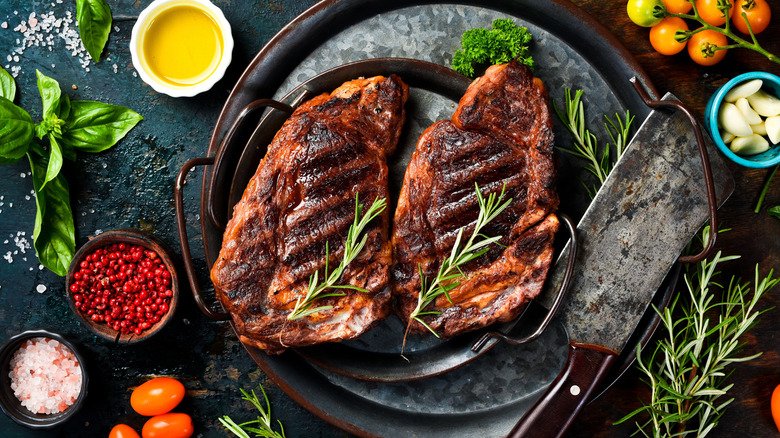
There’s something sacred about a good steak. The sizzle, the aroma, the way it fills the air before it even hits your plate. But if you’re like most folks, you’ve probably been seasoning your steak with just salt and pepper, maybe a little garlic powder if you’re feeling fancy. What if I told you that you’re missing the very soul of the flavor? Herbs can turn a good steak into a memorable one. They do more than add scent—they speak to the meat, soften its edges, and create harmony on the tongue.
Have you ever noticed how a steak at a good restaurant somehow tastes more alive? It’s not the expensive pan or the secret rub—it’s the herbs. A little rosemary here, a touch of thyme there, maybe some parsley to freshen the bite. Herbs bring balance. They lift the heaviness of beef, leaving you feeling satisfied rather than stuffed. Once you start cooking with them, plain salt and pepper just won’t feel enough anymore.
When I first began experimenting with herbs on steak, I realized something. The trick isn’t to cover the flavor of the meat—it’s to invite it out. Herbs work like a good company. They don’t shout, they just make the steak more comfortable being itself. Whether you’re grilling outdoors or pan-searing in your kitchen, herbs have a way of creating that rustic, earthy magic that makes a meal feel like a ritual.
The Power of Herbs in Steak Cooking
Herbs aren’t just for fragrance. They carry oils that seep into the fat of your steak, merging their aroma with the meat’s natural juices. That’s why even a small amount makes such a big difference. Fresh herbs give brightness and zest, while dried herbs add depth and concentration. Both have their place in the kitchen, and both deserve your attention.
Try mixing herbs with butter or olive oil before brushing it on your steak. That’s where the magic begins. The fat holds the herb’s flavor, and as it cooks, everything mingles together. The scent alone will make your neighbors jealous.
Rosemary — The Bold Protector of Beef
If steak had a guardian spirit, it would be rosemary. There’s something wild and confident about this herb. Its piney, woodsy scent can handle the richness of beef without being lost in it. Rosemary loves high heat, and it thrives on the grill. The next time you cook steak, throw a few sprigs right on the coals. That smoky aroma that rises up? That’s rosemary doing what it does best.
A small tip from an old kitchen habit—crush the rosemary leaves gently before adding them to your dish. It helps release the oils and makes the scent bloom. Add it to melted butter or olive oil and brush it over your steak before cooking. You’ll see how it transforms everything.
Thyme — The Subtle Game Changer
Thyme is that quiet friend who doesn’t need to be loud to be powerful. Its earthy tone pairs beautifully with any cut, whether lean or fatty. It blends so naturally that you’ll wonder how you ever cooked without it. Sprinkle a few leaves into your butter while the steak rests, or toss a sprig into the pan as you sear. The heat will release its gentle aroma, and your kitchen will suddenly smell like comfort.
One of my favorite combinations is thyme with garlic and butter. Melt them together and spoon that mixture over a sizzling ribeye. It’s the kind of flavor that lingers long after the plate is empty.
Oregano — The Mediterranean Touch
Oregano brings a warmth that feels like sunshine. It has that slightly peppery, rustic taste that fits perfectly with grilled steak. If you love the flavor of char and fire, oregano will be your friend. Mix it into a marinade with olive oil, garlic, and a squeeze of lemon, then let your steak rest in it for an hour or two. You’ll be surprised how those Mediterranean tones bring your grill to life.
Fresh oregano is bright and fragrant, while dried oregano is deeper and smokier. Try both and see which you prefer. Personally, I love mixing a pinch of dried oregano into butter and letting it melt over the steak once it’s done. Simple, yet unforgettable.
Parsley — The Fresh Finisher
Parsley doesn’t often get the spotlight, but maybe it should. It’s the green that wakes up your taste buds after the richness of beef. It doesn’t try to take over—it refreshes. Chop it fresh and scatter it over your steak just before serving. It adds color, life, and a sense of completeness.
It’s also kind to your body. Parsley helps with digestion, which makes sense when you think about how our ancestors paired herbs with meat for balance. A little chopped parsley after a heavy meal feels like nature’s way of helping you out.
Basil — The Sweet Surprise
Basil has a playful sweetness that most people wouldn’t think to pair with steak, but once you try it, there’s no going back. It brings brightness and energy. Imagine a warm summer evening, a plate of steak topped with fresh basil leaves, and a drizzle of balsamic reduction. It’s a perfect balance of savory and sweet.
If you want to keep it simple, blend basil with garlic and olive oil for a quick herb drizzle. It’s especially wonderful on grilled steak, where the smokiness meets basil’s sweetness halfway.
Sage — The Aromatic Powerhouse
Sage feels like autumn. It’s earthy, peppery, and slightly bitter in the best way. When used right, it makes your steak taste rich and layered. It’s particularly good with fattier cuts like ribeye or porterhouse. Try frying a few sage leaves in butter until crisp, then spoon that butter over your steak. The scent alone is worth it.
Sage also holds its flavor well even when cooked at high heat. So don’t be afraid to toss a leaf or two into your pan while searing. It’s one of those herbs that adds a sense of warmth and grounding to your meal.
Cilantro — The Unexpected Freshness
Cilantro isn’t always the first herb people think of when it comes to steak, but that’s exactly why it deserves a place here. It brings brightness and a slight citrus note that cuts through the heaviness of meat. It’s wonderful for Latin-inspired flavors, especially when mixed with lime and chilli.
Make a quick herb sauce with cilantro, garlic, lime juice, and a little olive oil. Pour it over grilled flank or skirt steak, and you’ll see what freshness really means. It’s like a burst of life after every bite.
Herb Combinations that Never Fail
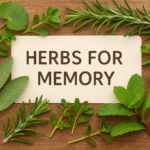
Sometimes the best flavors come from simple pairings. Try rosemary, thyme, and garlic for that classic steakhouse aroma. If you prefer something lighter, go with oregano, basil, and a touch of lemon zest for a Mediterranean vibe. For a brighter, zesty kick, cilantro with parsley and lime will never disappoint.
Experiment and listen to your senses. Herbs have personalities, and once you start pairing them, you’ll find the combinations that feel like home.
How to Infuse Herbs into Your Steak Naturally
There are so many ways to bring herbs into your cooking. Mix them into a marinade with oil and vinegar for a deep flavor that soaks right into the meat. For a quicker approach, create a dry rub by blending dried herbs with salt and cracked pepper.
Herb butter is another easy secret. Mix softened butter with chopped herbs and let it melt over your steak just as it comes off the heat. It’s pure indulgence. If you prefer a lighter touch, warm some olive oil with herbs to create an infused drizzle. It tastes like something straight from a countryside kitchen.
Herbal Pairings for Each Cut
Every cut of steak has its personality. A ribeye loves strong herbs like rosemary, thyme, and sage. They match its fat and boldness. A sirloin feels right with oregano and basil, which keep it balanced. Tenderloin, being mild, works beautifully with parsley and tarragon. For flank or skirt steak, cilantro and lime bring it to life with freshness and energy.
Think of your herbs as companions, each bringing out something unique in the steak. Once you find your favorite pairing, it becomes your signature.
Herbal Sauces that Steal the Show
Let’s talk sauces because herbs shine even brighter there. Chimichurri made with parsley, oregano, and garlic is a classic. Herb butter with rosemary, thyme, and lemon zest feels fancy without being fussy. And if you want something creamy, green goddess sauce with basil and parsley works beautifully.
Sauces are your chance to play. The herbs will guide you if you pay attention. Taste as you go and adjust. That’s how cooking becomes art instead of instruction.
Fresh from the Garden — Growing Your Own Steak Herbs
There’s something deeply satisfying about growing your own herbs. You don’t need a big garden. A few pots near a sunny window are enough. Rosemary, thyme, and basil do well in containers. Snip what you need, and your meals will always have that fresh touch.
The joy of plucking your herbs moments before cooking is hard to describe. It connects you to your food in a way that store-bought seasoning never could. The scent of a freshly cut sprig of rosemary before it hits the pan is worth all the effort.
A Herbalist’s Little Secret: Herbs Help Digestion
This is something many cooks forget. Herbs don’t just make food taste good—they help your body process it. Parsley helps flush out salt and supports digestion. Oregano and sage calm the stomach and assist with fat breakdown. These small details remind us why herbs are part of traditional cooking in every culture.
When you add herbs to your steak, you’re not only seasoning your food. You’re balancing it. You’re giving your body what it needs to enjoy a hearty meal without the heaviness.
Conclusion
Cooking steak with herbs is more than a kitchen trick—it’s a celebration. A dance between earth and fire, between patience and flavor. Every herb brings its own personality, its own whisper of the garden. Whether it’s rosemary’s strength, parsley’s freshness, or basil’s charm, each one plays its part in creating something truly satisfying.
So the next time you stand before your grill or skillet, pause for a moment. Smell the herbs, feel their texture, and trust your hands. Cooking is meant to be felt, not just followed. And who knows—maybe your next steak will be the one that finally tastes like home.
What herbs will you reach for first?