The 20 Organic Herbs Every Chicken Keeper Should Know
Have you ever watched your chickens pecking around the garden and wondered if the herbs they nibble on could actually help them? I’ve spent years watching mine do just that. Sometimes they seem to know better than we do which plants their bodies need. If you’re like most farmers I know, you want your flock to be healthy, laying well, and free from all those scary diseases you hear about. You just want to raise them naturally, without pumping them full of chemicals or antibiotics. That’s exactly where herbs come in.
Herbs have been used for centuries by people and animals alike. They strengthen, protect, and balance. They’re gentle but powerful. And the best part? You can grow them right in your backyard or around your chicken coop. This isn’t about fancy supplements or expensive feed. It’s about working with nature, not against it.
Let’s talk about why herbs matter so much for chickens, how to use them, and which twenty organic herbs can turn your flock into a picture of natural health.
Why Go Organic with Your Flock
When you choose organic herbs, you’re simply choosing clean food grown the way it was meant to be. No chemical fertilizers. No pesticides. Just plants grown in good soil, watered with clean rain, and kissed by sunlight. The same herbs that heal us can also heal our chickens.
Herbs can make eggs richer in color, boost immune systems, and even keep the coop smelling fresh. You’ll notice calmer hens, shinier feathers, and more consistent egg laying. And the beauty is, you don’t have to do anything complicated. Just introduce herbs slowly and watch how your chickens respond. They’ll tell you in their own way what they love.
How to Use Herbs for Chickens
There’s no single way to use herbs, and that’s part of the fun. Some herbs work best fresh, others dried. You can mix them into feed, hang them in nesting boxes, add them to dust baths, or steep them in warm water. Sometimes I crush a bit of oregano or thyme into their drinking water just to give them an immune lift.
When I clean the coop, I like to scatter dried lavender, rosemary, or chamomile in the bedding. The scent alone makes it feel cleaner, calmer, and happier. Just remember, moderation is everything. A handful here and there is plenty. You’re adding support, not medicine.
The 20 Organic Herbs Every Chicken Keeper Should Know
Alright, here’s the heart of it. These are my go-to herbs for strong, resilient chickens.
Immune Boosters and General Health
Garlic
Garlic is the old-timer’s secret. It builds strong immunity, keeps worms away, and even helps chickens fight infections. You can crush a clove and add it to their feed or drop a tiny bit of garlic water into their drinkers. Start small, because its flavor can be strong. But once they get used to it, they’ll thank you in their own way.
Oregano
Oregano is what I call nature’s antibiotic. It supports the gut and helps prevent disease before it even starts. Add a few fresh leaves into their feed or steep it in hot water to make a warm tea. Chickens love pecking at oregano plants if you let them grow freely around the coop.
Thyme
Thyme keeps their lungs clear. If you’ve ever had a flock sneezing or wheezing during the rainy season, you’ll appreciate what thyme does. It’s rich in oils that help fight bacteria in the respiratory system. A small handful in their feed goes a long way.
Echinacea
This is the herb I reach for when a chicken is feeling under the weather. Echinacea boosts their immune system and helps them recover faster. You can offer it dried or powdered, or even brew it into a gentle tea to mix in their water.
Turmeric
Turmeric is pure gold. It soothes inflammation and improves egg production. I like to mix a pinch of ground turmeric into their morning feed. It gives their combs that healthy glow and keeps joints flexible, especially for older hens.
Digestive and Detoxifying Herbs
Parsley
Parsley is packed with vitamins and minerals, and it’s especially good for their kidneys. Chop it fresh and sprinkle it into their feed. You’ll notice their droppings become firmer and their feathers brighter.
Mint
Mint is the ultimate summer herb. It cools them down on hot days, helps with digestion, and keeps pests at bay. I love hanging bunches of mint around the coop. The smell alone makes the whole place feel cleaner.
Basil
Basil is rich in antioxidants and helps balance the digestive system. Chickens love pecking at fresh basil leaves. I toss a few into their daily greens. It also helps keep flies and mosquitoes away from the coop.
Dandelion
Don’t pull those dandelions out just yet. They’re not weeds, they’re medicine. Dandelion helps cleanse the liver and supports egg-laying. The roots, leaves, and flowers are all good for chickens. Offer them fresh and they’ll pick what they need.
Cilantro
Cilantro helps flush toxins from their system. It’s also great for digestion. Finely chop a few leaves and mix them with feed. It’s gentle but effective. Some hens even prefer it over other greens once they get a taste for it.
Nesting Box and Coop Herbs
Lavender
Lavender is peace in a plant. It calms anxious hens and keeps pests like lice and mites away. When your hens seem restless or broody, sprinkle dried lavender in their nesting boxes. It helps them relax and lay more comfortably.
Chamomile
Chamomile is gentle and sweet. It repels insects, soothes nerves, and keeps nesting boxes smelling clean. Dry the flowers and crumble them into the bedding. If you ever need to calm a stressed bird, a bit of chamomile tea works wonders.
Lemon Balm
Lemon balm smells fresh and keeps mosquitoes away. It’s also uplifting for hens that seem low in energy or moody during molting. Plant it near the coop door so the scent greets them every morning.
Rosemary
This herb is powerful. It purifies the air, repels pests, and supports circulation. Hang bundles of rosemary in your coop, especially during damp seasons. It helps prevent respiratory problems and makes the whole place feel alive.
Sage
Sage is cleansing for both air and spirit. It strengthens the immune system and has mild antibacterial properties. Sometimes I burn dried sage leaves in a small pot outside the coop. It clears the air, literally and energetically.
Egg Production and Reproductive Health
Nettle
Nettle is full of iron and calcium, which are essential for strong eggshells. Dry the leaves and crush them into powder before mixing with feed. Nettle is a bit prickly fresh, so handle it with care before drying.
Marigold (Calendula)
Marigold gives yolks that beautiful deep orange color. It also strengthens the immune system and keeps skin healthy. Scatter the petals in their feed or let the flowers grow around the coop for them to pick.
Fenugreek
This humble seed stimulates laying and improves digestion. Grind the seeds into a fine powder and mix small amounts into their daily feed. It has a sweet smell that chickens seem to love.
Comfrey
Comfrey is packed with nutrients and helps chickens recover after molting or sickness. But use it moderately because it’s quite strong. Offer fresh leaves once in a while, not every day.
Yarrow
Yarrow is one of the best herbs for minor injuries. It helps stop bleeding and improves circulation. Keep some dried yarrow in your first-aid box for cuts or scrapes. A sprinkle of powdered yarrow on a wound helps it close faster.
Growing and Harvesting Your Own Herbs
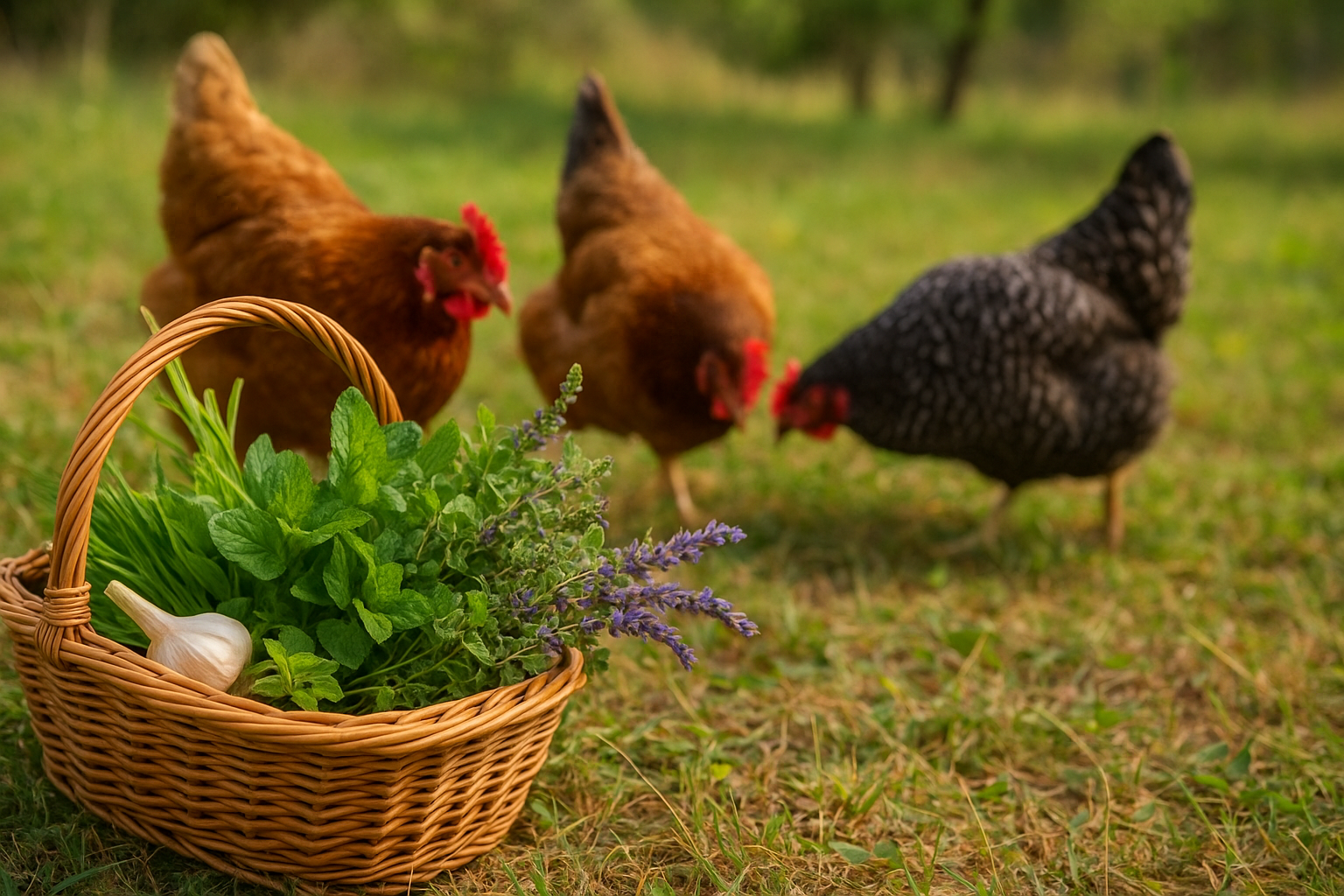
If you have space, grow a small herb garden just for your flock. Oregano, mint, parsley, and basil grow easily in most climates. They love sunlight and moderate watering. Drying herbs is simple too. Just hang them upside down in a shaded, airy spot until they’re crisp.
Store them in jars or paper bags, away from sunlight. That way, you’ll always have herbs ready when the rains come or when you can’t harvest fresh ones. There’s a certain satisfaction in growing the very herbs that heal your animals. It feels like coming full circle with nature.
Simple Herbal Mixes for Everyday Use
You don’t need to overthink it. Try these blends and adjust them as you learn what works best for your birds.
Nesting Box Mix
Lavender, rosemary, and chamomile. Keeps the air calm and pests away.
Immune Boost Mix
Oregano, garlic, thyme, and turmeric. A weekly sprinkle keeps everyone strong.
Digestive Support Mix
Parsley, mint, basil, and dandelion. Perfect after heavy rains or changes in feed.
Egg Booster Mix
Nettle, calendula, and fenugreek. Supports consistent laying and strong shells.
Each blend brings its own kind of balance. Experiment, take notes, and trust your instincts.
Herbs to Avoid or Use Sparingly
Not all herbs are safe in large amounts. Avoid onions and chives entirely, as they can harm red blood cells. Use comfrey carefully, since too much can affect the liver. Always introduce new herbs gradually and observe how your flock reacts. Every chicken is different, just like us.
If you notice any odd behavior or a drop in egg laying, take a break from that herb and see if things balance out. Natural doesn’t always mean harmless, and respect is part of working with herbs.
Common Questions from Farmers
Can chicks have herbs? Yes, but in minimal amounts. Think of it like teaching them the flavors of life.
Can I use store-bought herbs? Absolutely, as long as they’re organic and free from additives.
How often should I give herbs? A few times a week is plenty. Rotate them so your flock gets a variety of nutrients.
Do herbs really make a difference? Watch your chickens closely and you’ll see. Stronger feathers, cleaner eyes, and livelier behavior don’t lie.
Nature Knows Best
At the end of the day, raising healthy chickens doesn’t have to feel scary or complicated. Herbs bring balance back into the coop. They remind us that nature already knows how to heal, if we’d only let it.
So start small. Plant a few herbs by your fence. Sprinkle some dried lavender in the nesting boxes. Watch your hens scratch, peck, and thrive. Before long, you’ll wonder how you ever managed without them.
Isn’t it beautiful how something as simple as a handful of herbs can change everything?