Have you ever looked in the mirror and barely recognized the person staring back? Maybe you’ve tried all the diets, the gym routines, the shakes, and the fasting trends. Yet somehow, your body feels stuck. Heavy. Tired. It’s fighting you instead of helping you. I know that feeling, and I’ve seen it more times than I can count in my herbal practice.
In Chinese medicine, we see weight gain differently. It isn’t just about calories or lack of exercise. It’s about energy. When your inner balance gets disturbed, when your digestion slows down or your emotions stay trapped for too long, your body holds on to more than just fat. It holds on to worry, grief, and dampness. Yes, dampness. That heaviness you feel in your belly or limbs is often the body’s way of saying, “Help me let go.”
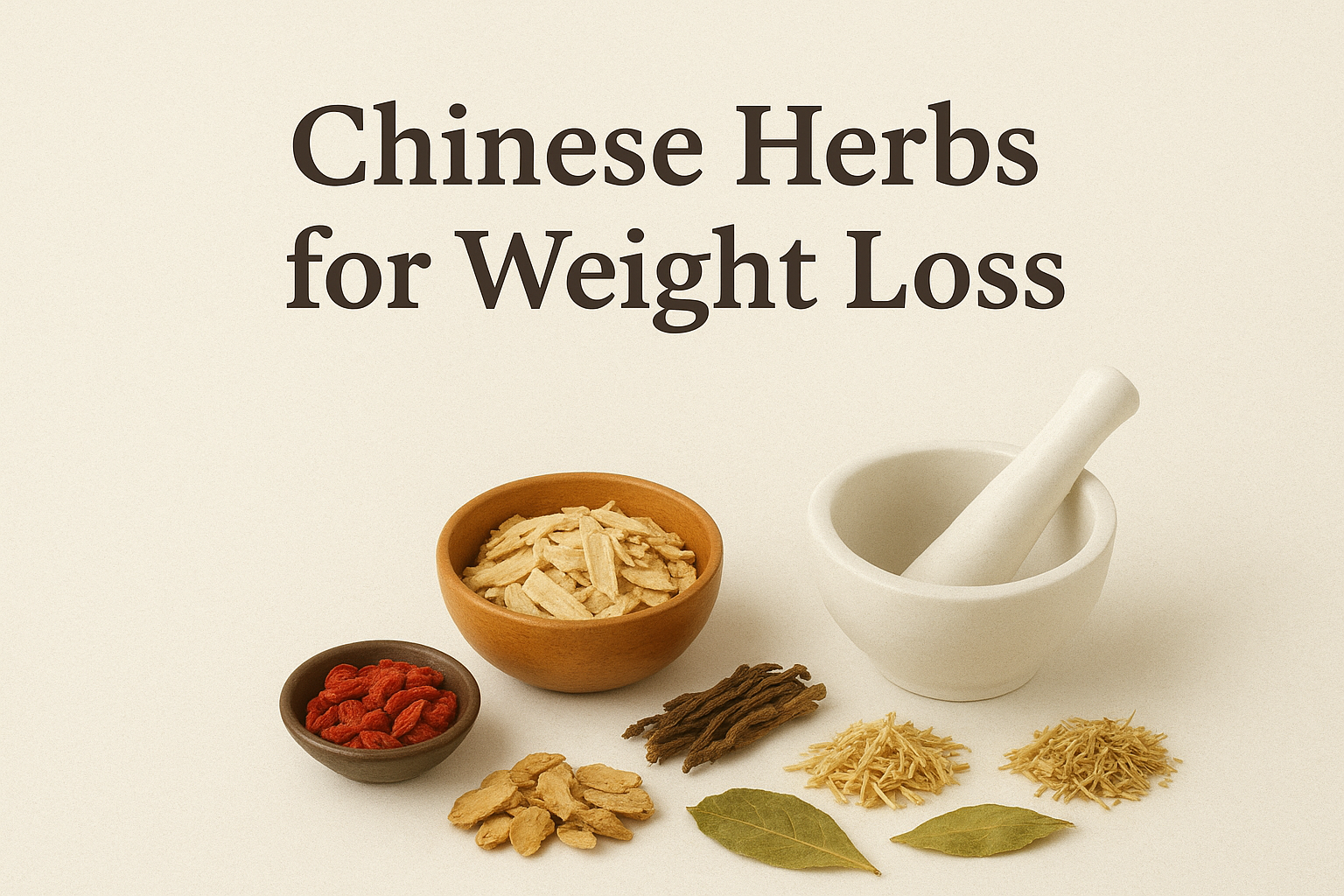
That’s why Chinese herbs can be so powerful. They don’t bully the body into losing weight. They guide it gently back to balance. They help clear what’s stuck and strengthen what’s weak. Let’s walk through twenty-two herbs that have stood the test of time for supporting healthy weight and self-healing. And wait till you see number seventeen. It’s not what you expect.
1. Ginseng (Ren Shen)
Ginseng is one of those herbs that feels alive when you touch it. It gives strength to tired bodies and calms restless minds. When you’re exhausted, you crave sugar or heavy food because your energy is running on empty. Ginseng fills that space naturally. It rebuilds vitality from the inside out, helping you burn fat because your body finally has energy again.
2. Pu-erh Tea (Hei Cha)
Pu-erh isn’t just tea. It’s aged, fermented wisdom in a cup. Many Chinese drink it after a heavy meal because it helps break down fats and keep digestion smooth. It’s earthy, grounding, and wonderful for people who tend to bloat or feel sluggish after eating. Over time, it gently clears what TCM calls “phlegm-dampness,” that sticky feeling of heaviness that diet plans never talk about.
3. Lotus Leaf (He Ye)
If you’ve ever seen a lotus floating on still water, you’ll understand this herb. It’s light, pure, and never weighed down. A lotus leaf works the same way in the body. It helps shed excess water and fat while calming the mind. In ancient times, it was used for people who carried sadness in their middle, that emotional heaviness that shows up as belly fat.
4. Hawthorn Berry (Shan Zha)
Sweet, tart, and powerful. Hawthorn berry supports the heart and clears out stagnation from rich, fatty foods. It’s one of the best herbs for people who overindulge or who have sluggish digestion after big meals. Hawthorn doesn’t just help you digest food; it helps you digest life. That’s why it’s a favorite in many modern weight loss formulas.
5. Chinese Yam (Shan Yao)
Chinese yams are gentle and nourishing. It’s great for anyone who’s been drained from dieting too long. It strengthens the spleen and stomach, two organs that play a huge role in metabolism according to TCM. When your spleen is strong, your body stops turning food into dampness and starts turning it into energy. You feel lighter, steadier, and less foggy.
6. Cassia Seed (Jue Ming Zi)
Cassia seed looks like tiny coffee beans, but they work in an entirely different way. They help clear heat and support the liver, keeping your bowels regular and your digestion flowing. They’re often used in slimming teas because they gently help the body let go of waste and toxins. It’s the kind of cleanse that feels natural, not forced.
7. Ginger (Sheng Jiang)
Every herbalist loves ginger. It’s warm, bold, and honest. It wakes up your stomach, helps you digest food better, and keeps your circulation strong. When your body is cold inside, metabolism slows down. Ginger adds a bit of fire to your system, helping you burn fat naturally. Sometimes the simplest herbs are the most powerful ones.
8. Astragalus Root (Huang Qi)
Astragalus is the builder. It strengthens your immune system, boosts energy, and improves stamina. When you’re tired all the time, your body clings to fat because it’s trying to conserve energy. Astragalus reminds your system that it’s safe to let go. It’s also great for people who feel puffy or swollen because it moves fluid gently through the body.
9. Dandelion Root (Pu Gong Ying)
Many people call dandelion a weed, but it’s a healer in disguise. It supports the liver, one of the body’s most important detox organs. When the liver works well, fat metabolism improves. Dandelion root helps clear toxins that cause sluggishness and weight gain. You might even notice clearer skin as your liver gets stronger.
10. Chinese Licorice Root (Gan Cao)
Licorice root ties everything together. It harmonizes herbal formulas, eases digestion, and supports adrenal balance. When you’re stressed, your cortisol rises and weight clings to your middle. Licorice helps calm that pattern. It sweetens the body’s energy and makes other herbs more effective. It’s a quiet helper that brings peace to your system.
11. Goji Berry (Gou Qi Zi)
Goji berries are bright, nourishing, and full of life. They feed the liver and kidneys, improve vision, and stabilize blood sugar. Many people don’t realize how much blood sugar swings affect weight gain. Goji keeps your energy steady so you don’t crash and crave sweets. It’s also one of the few herbs that tastes as good as it feels.
12. Kudzu Root (Ge Gen)
Kudzu is known for helping with neck and shoulder tension, but it also plays a role in weight balance. It improves circulation and supports digestion, making it great for people who hold tension in their upper body. Sometimes, emotional tightness shows up as physical stiffness, and Kudzu helps both the muscles and emotions release.
13. Tangerine Peel (Chen Pi)
This is one of my favorite digestive herbs. Tangerine peel clears phlegm, moves stagnant energy, and wakes up your metabolism. If you often feel bloated or have that heavy, tired stomach after eating, Chen Pi might be what you need. It brings back that light, free feeling in your belly, almost like your body can finally breathe again.
14. Fennel Seed (Xiao Hui Xiang)
Fennel warms the stomach, helps with gas and bloating, and supports smooth digestion. Many people drink fennel tea after meals without realizing how rooted it is in TCM practice. It’s especially helpful for people whose bellies feel cold or tight after eating. You can feel the difference after just a few days of consistent use.
15. Alisma Root (Ze Xie)
Alisma helps your body release excess water. It’s a natural diuretic but gentle enough for long-term use. When the body holds too much fluid, it’s usually a sign of dampness. Ze Xie clears that dampness so the system feels lighter and cleaner. It’s often used with other herbs like Atractylodes and Poria for complete fluid balance.
16. White Peony Root (Bai Shao)
This herb nourishes the liver and balances emotional energy. When the liver is tense, digestion suffers, and emotional eating becomes a comfort habit. White peony softens that pattern. It helps you feel more grounded and less reactive. Many women find it especially challenging during hormonal shifts, which can often trigger weight fluctuations.
17. Reishi Mushroom (Ling Zhi)
Now here’s the surprise. Reishi isn’t a typical weight loss herb, yet it might be one of the most powerful for real transformation. Why? Because it calms the mind, reduces stress hormones, and helps you sleep deeply. When your nervous system is calm, your metabolism resets itself. Emotional eating fades, and your body starts to trust again. True weight loss begins in peace, not pressure.
18. Fo-Ti (He Shou Wu)
Fo-Ti is the herb of vitality and longevity. It nourishes the liver and kidneys, keeping your inner fire strong without draining it. When your body feels young and balanced, metabolism naturally improves. It’s not a quick fix, but a long-term ally for people who want to age gracefully and keep their energy steady.
19. Atractylodes Rhizome (Bai Zhu)
This is a classic spleen tonic that fights fatigue and dampness. If your weight gain comes with bloating, sluggish digestion, or brain fog, Bai Zhu might be your answer. It helps your body convert food into energy instead of excess. People who take it often describe a steady lift in energy, not a jolt, just a quiet strength returning.
20. Job’s Tears (Yi Yi Ren)
Also known as Coix seed, this herb is mild, soothing, and nourishing. It’s perfect for clearing dampness and puffiness. It supports the digestive system and helps the skin glow by releasing trapped fluids. Many TCM practitioners recommend it for people who gain weight easily in humid climates. It works slowly but steadily.
21. Cinnamon Twig (Gui Zhi)
Cinnamon isn’t just a kitchen spice. In TCM, it warms the meridians, balances blood sugar, and moves circulation. It’s great for people who struggle with sugar cravings or low energy. A pinch of cinnamon in your tea or porridge can make a world of difference. It keeps your inner fire alive and burns through sluggishness.
22. Rhubarb Root (Da Huang)
Rhubarb root is strong medicine. It clears internal heat, supports bowel movement, and helps detoxify the system. But it should be used carefully and always under guidance. For those who feel heavy, constipated, or stagnant, a small amount can reset the system completely. It’s like spring cleaning for your body.
How to Use These Herbs Safely
Herbs work best when they’re used in harmony. Start slowly, and listen to your body. You don’t need to take all twenty-two at once. Choose one or two that call to you. Notice how your body responds over a few weeks. Healing isn’t about speed. It’s about remembering what balance feels like.
If you’re dealing with severe weight issues or medical conditions, it’s always wise to work with a qualified herbalist or doctor. The body’s story is unique for each person, and herbs are meant to guide, not control.
Lifestyle Support
Herbs are powerful, but they work best when supported by daily choices. Eat warm, nourishing foods that are easy to digest. Avoid too many cold smoothies or raw salads, which can weaken the digestive fire. Move your body in ways that feel joyful, not punishing. Walking, gentle yoga, dancing, and even tending a garden can shift energy more than you think.
And don’t forget your mind. When you carry emotional weight, it can be heavier than anything physical. Give yourself grace. Healing begins with kindness toward your own body.
The Heart of the Journey
Weight loss through Chinese herbs isn’t just about dropping pounds. It’s about reconnecting with your inner rhythm. It’s about finding strength in softness and patience in progress. When you nurture your Qi and release dampness, your body transforms naturally, not forcefully.
I’ve watched people go from hopeless to radiant by simply aligning with nature again. The light returns to their eyes. Their energy flows. Their confidence rebuilds, one day at a time.
So maybe the question isn’t “How fast can I lose weight?” Maybe the question is “How gently can I come back to myself?”