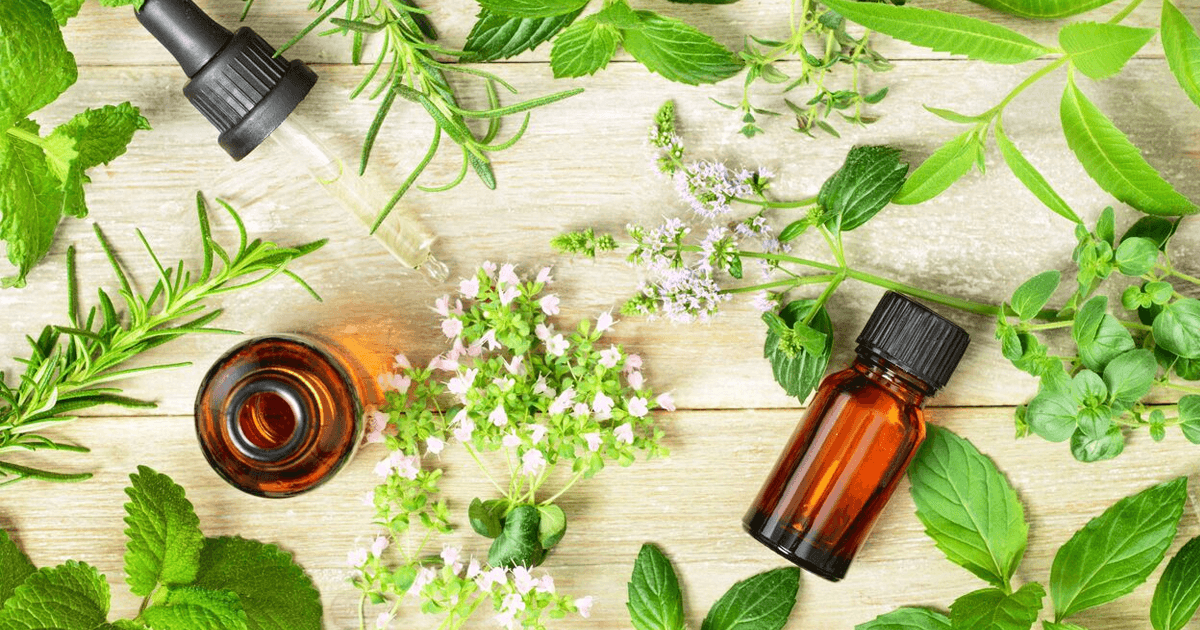
Sometimes, it begins with a small itch. A little irritation between your toes, a dry patch that will not stop tingling, or that familiar burning along the edges of your feet. You try creams and powders. They help for a while, but then the problem creeps back as if it never left. If you have dealt with athlete’s foot or toenail fungus that refuses to quit, you know how exhausting it can be.
I have met so many people who walk through this same story. They wash, scrub, apply, repeat, and still the fungus returns. It can make you feel helpless. The truth is, when the skin feels off, the whole body feels uncomfortable. It becomes more than a surface problem. It steals your comfort and your confidence.
That is where herbs can make a real difference. They work slowly and deeply. They do not just fight the fungus; they also bring the skin back into harmony. They help it remember how to protect itself again. Let us talk about five herbs that have been helping humans heal long before medicine came in bottles.
When Fungal Infections Keep Returning
You might have noticed that some infections seem to hide and then appear again. They love places that stay warm and moist, like the spaces between your toes or folds of skin that do not get much air. Fungus thrives where the body cannot breathe.
Creams and sprays often help for a short time because they only treat what is visible. The root cause usually lies deeper. Sometimes the immune system is tired, or the body is dealing with too much internal heat. Fungal infections feed on imbalance. Herbs approach it differently. They do not simply attack the surface problem. They help the body correct its environment so that fungus no longer feels welcome.
That is what makes them powerful. They teach your skin to defend itself against.
1. Neem
Neem has been used for centuries in traditional healing. It is strong and bitter, which is exactly what makes it so cleansing. When I think of neem, I picture something that clears away what does not belong. It helps the skin let go of built-up grime and stagnant energy.
The leaves, bark, and oil of neem are all useful. The oil, though it has a very strong scent, can be mixed with coconut or olive oil and applied to areas where fungus lingers. You can also boil a handful of neem leaves in water, cool it, and use it as a gentle wash. It leaves the skin clean and cool.
What neem really does is help the skin find its strength again. It cleans and then it rebuilds. Just be mindful when using neem oil. It is powerful and can be too strong for sensitive skin, so always blend it well and test it first.
2. Tea Tree
Tea tree is another favorite among herbalists. The moment you smell it, you know it means business. That clean, sharp aroma is a sign of its strength. It is known for clearing out all kinds of stubborn skin problems, including fungus.
Tea tree oil helps by drying out the damp areas where fungus grows. You can mix a few drops with coconut or jojoba oil and apply it twice a day. If the affected area covers more skin, you can add a few drops to a mild liquid soap. Always dilute it well because pure tea tree can be too strong on its own.
It works beautifully when combined with something soothing like aloe vera or calendula oil. That way the skin stays hydrated while still being treated. When used properly, tea tree brings that cooling, tingling relief that feels like fresh air touching your skin.
3. Calendula
Calendula is soft in color but strong in nature. The bright golden petals seem to carry the warmth of the sun itself. Calendula is wonderful for calming any kind of irritated or inflamed skin, and that includes fungal rashes that have been scratched raw.
It does more than soothe. Calendula helps the skin rebuild itself after damage. That part of healing is often forgotten. You can destroy the fungus, but if the skin remains weak, it can return. Calendula speeds up recovery so the skin closes properly and regains its strength.
You can find calendula in oils and creams, or you can make your own by soaking the petals in olive oil for a few weeks. When strained, that golden oil becomes a gentle healing salve. It is mild enough even for children and sensitive skin. Calendula shows that healing can be soft yet strong.
4. Garlic
Garlic is fiery and full of character. It may smell strong, but that scent carries its medicine. Garlic is one of nature’s most effective antifungal agents. When you crush a clove, you release a compound called allicin, which is what does the work.
For the skin, garlic can be used as an infused oil. Crush a few cloves into olive oil, let it sit for several hours, and then strain it. Apply the oil gently on the affected area. Always test a small patch first because raw garlic can burn.
I have seen garlic help with long-lasting toenail fungus when used consistently. It is simple, cheap, and powerful. The smell might linger, but so does the relief. When nature offers something this strong, sometimes it is worth the scent.
5. Lavender
Lavender is a gentle healer that carries both beauty and strength. Many people think of it only as a calming scent for relaxation, but it has quite antifungal powers as well. Lavender works especially well for skin that is red, itchy, or sensitive.
It cools and soothes while helping the skin fight off infection. A few drops of lavender essential oil in coconut oil can make a lovely balm for fungal rashes in delicate areas. It is great for places like under the arms, between toes, or under the breasts, where moisture builds up.
Lavender also brings peace to the nervous system. Stress can make fungal infections worse, and lavender helps calm the body’s tension. When your mind softens, your skin often follows. Healing happens faster when the whole system relaxes.
Using These Herbs Safely and Wisely
When working with herbs, patience is everything. They are not quick fixes, but they are lasting ones. Always test a small amount before using a new blend. Some skin types are more sensitive than others.
Keep your skin clean and dry. Fungi thrive in moisture, so let your skin breathe. Wear light, breathable fabrics and change socks often if your feet sweat. Consistency is what makes herbs work best. Use your chosen remedy every day until the skin feels fully restored.
Here is a simple recipe you can try. Mix two tablespoons of coconut oil with three drops of tea tree oil, two drops of lavender oil, and one teaspoon of calendula-infused oil. Apply it to clean skin twice a day. It soothes irritation while keeping the area dry and protected.
For more stubborn infections, you can alternate between a neem water rinse and a soft calendula or lavender salve. That way, the skin gets both cleansing and comfort. Herbs work better when they are used in partnership rather than in isolation.
Healing from the Inside Out
A recurring fungal infection is not just a skin issue. It often tells you something about what is going on inside. When your body is out of balance, your skin is one of the first places to show it. That is why the problem often comes back even when you treat it topically.
Supporting your body from within helps the herbs do their work. Drink plenty of water, and eat foods that reduce dampness and sugar. Fungus feeds on sweetness, so cutting back on sugary foods can make a big difference.
You can also drink herbal teas that help cleanse and strengthen your system. Pau d’arco, burdock root, and chamomile are wonderful for this. They purify from within while calming inflammation. Think of it as cleaning the soil before replanting the garden. When the inside feels clear, the outside begins to glow again.
When to Seek Help
Sometimes skin problems need professional care. If the infection spreads quickly, leaks fluid, or becomes painful, see a doctor or herbal practitioner. Not every rash is caused by fungus. Getting the right diagnosis ensures you are treating the real issue.
There is no shame in combining herbal care with modern medicine. They can work beautifully together. Herbs continue the healing after stronger treatments, keeping the skin balanced and preventing a return of the problem. Listen to your body. It will tell you when it needs more support.
The Quiet Wisdom of Nature
What I love most about herbs is how they remind us to slow down. They do not rush. They teach us to work with time, not against it. Healing with plants feels different because it is not just about fixing the skin. It is about understanding what the body is asking for.
Neem, tea tree, calendula, garlic, and lavender each bring their own kind of wisdom. They do not simply kill fungus. They restore the skin’s natural intelligence. They show that real healing is never harsh. It is steady, thoughtful, and alive.
When you start treating your skin with herbs, you may notice more than just physical change. There is a quiet trust that grows. You begin to believe again that your body knows how to heal itself when given the right tools.
So maybe the real question is not how to make the fungus disappear, but what your skin has been trying to tell you all along?