If you’re reading this, chances are your nose hasn’t worked properly in days. You’re lying in bed, scrolling with one hand, and clutching a box of tissues with the other. Every inhale feels like trying to suck air through a wet sponge. You’ve probably already tried everything—the sprays, the pills, the teas—and yet your head still feels like it’s full of cement.
So let’s keep it real. You don’t need another “medical article” telling you what sinuses are. You need something that works. Something simple. Something that makes you feel human again. And if you’ve never tried steam inhalation with herbs, oh honey… you’re about to meet your new favorite ritual.
Because sometimes, all it takes is a bowl of boiling water, a handful of herbs, and ten quiet minutes to change everything.
The Magic Behind Herbal Steam Inhalation
Here’s what’s really happening when you hover over that bowl of steam, towel over your head, breathing like a dragon in a spa. The warm vapor opens your nasal passages, softens thick mucus, and helps your body do what it’s supposed to do—breathe freely.
But here’s where the herbs come in. Steam alone helps, sure, but herbs add power. Their natural oils float up in the vapor, carrying antibacterial, antiviral, and soothing compounds straight to your lungs and sinuses. You’re not just inhaling warmth—you’re inhaling medicine from the earth itself.
And when you add the right herbs, that simple steam turns into something close to magic.
How to Do It Safely (and Properly)
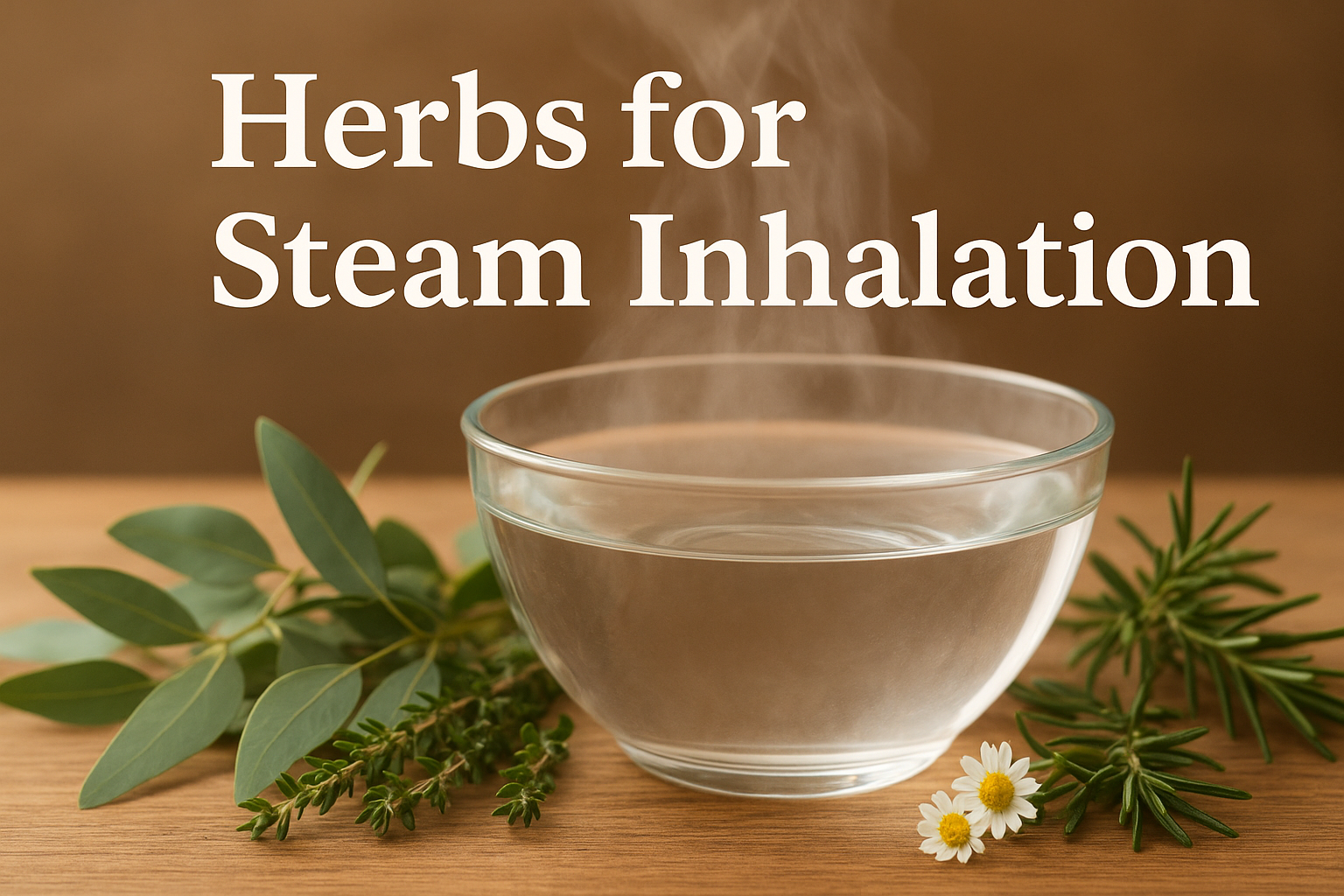
Let’s talk about how to do this right. Grab a big bowl and fill it with steaming hot water. Not boiling-on-your-face hot, just steaming. Add a handful of dried herbs or a few drops of essential oil if that’s what you have.
Now, drape a towel over your head to trap the steam. Close your eyes, lean in gently, and breathe. Deep, slow breaths in through your nose and out through your mouth. Feel the heat melt the tension in your face. Stay for about 5 to 10 minutes.
When you’re done, blow your nose gently and drink a big glass of water. Your body has just released a lot.
If you feel dizzy, take breaks. And if you have asthma or super-sensitive lungs, do this cautiously. It’s meant to help, not hurt.
The Best Herbs for Steam Inhalation
Now we get to the fun part—the herbs themselves. You probably have some of these sitting in your kitchen cabinet already. Each one does something different, but they all share one goal: clearing your airways and helping you breathe deeply again.
Eucalyptus
If your nose is blocked beyond belief, eucalyptus is your hero. It’s the one that cuts through the fog like a sword. The scent alone tells your lungs, “Wake up.”
Eucalyptus is packed with compounds that fight bacteria and viruses while helping to loosen mucus. When you inhale its steam, it feels like nature’s version of Vicks—but fresher and cleaner.
If you have fresh leaves, toss a few into your bowl. If not, two drops of essential oil will do. Just be careful—it’s strong stuff. One whiff too close, and you’ll feel like you just cleaned your sinuses with minty fire.
Peppermint
This one’s for when your head feels like it’s wrapped in cotton and your brain refuses to focus. Peppermint clears, cools, and sharpens. It contains menthol, which opens nasal passages and gives that instant relief you crave.
It’s also great for headaches that come with sinus pressure. Just breathing it in feels like your cells are waking up after a long nap. But don’t overdo it; peppermint can be intense for sensitive lungs. A little goes a long way.
Rosemary
Rosemary doesn’t get enough credit. Sure, it’s great on potatoes, but in steam? It’s next level. It has a bright, piney scent that stimulates circulation and clears the head.
It’s wonderful if your chest feels heavy or if you’ve been coughing nonstop. Rosemary helps break down mucus and supports better airflow. It also helps wake you up when you’re drained and foggy from being sick all week. Breathe it in, and you’ll feel the fog lift.
Thyme
Thyme is a warrior herb. Ancient healers used it for coughs, bronchitis, and sore throats. Its oils are naturally antibacterial and antiviral, which makes it perfect for colds and sinus infections.
It’s also great when your cough won’t quit, that kind that keeps you up at 3 AM. Steam with thyme, and it feels like your lungs are getting a gentle scrub from the inside out. Bonus: it smells like a forest after rain. Clean, earthy, grounding.
Lavender
You might think lavender is just for sleep, but it’s a quiet little powerhouse for your lungs, too. When you’re tired and tense from being congested, lavender’s soft floral scent calms everything down.
It soothes inflammation and helps you breathe deeper without the burning feeling that sometimes comes with strong herbs. Lavender steam before bed is my favorite kind of self-care. You’ll fall asleep faster, and your breathing will be smoother through the night.
Chamomile
If your nose feels raw, your sinuses ache, and you’re just done with it all, chamomile is your best friend. It’s gentle, sweet, and anti-inflammatory. Perfect for irritated sinuses or allergies that make everything dry and sore.
Chamomile softens and comforts, and when you breathe it in, it feels like your face is finally relaxing. You can even mix it with stronger herbs to balance them out.
Sage
Sage isn’t just for cooking turkey. It’s one of the best herbs for cleansing and clearing the airways. Traditionally, people used sage to purify homes after sickness, and it does something similar for your lungs.
Its antimicrobial properties help fight lingering bacteria and support recovery after a cold. The scent is strong, earthy, and grounding—it makes you feel safe and clean again.
Herbal Steam Blends to Try
Let’s play herbal mixologist for a minute. These are some of my favorite blends for different moods and symptoms. Use dried herbs if you can, but fresh ones work too.
Clear Sinus Blend:
Eucalyptus, peppermint, and thyme.
Perfect for when your head feels like it’s stuffed with wet cotton. This one opens everything up fast.
Calm & Breathe Blend:
Lavender, chamomile, and rosemary.
For those nights when you’re sick but also exhausted. It smells dreamy and helps you unwind while it clears your chest.
Immune Boost Blend:
Sage, thyme, and lemon peel.
Ideal for that post-sickness cleanup. Helps support immunity and gets rid of leftover congestion or chest heaviness.
When to Use Herbal Steam Inhalation
There’s no bad time for herbal steam, but some moments are pure gold for it. Like after a long day of breathing in dust or city pollution. Or when you feel that first tickle in your throat before a cold hits.
It’s also perfect right before bed when you can’t stop mouth breathing. Ten minutes of herbal steam, and suddenly your pillow doesn’t feel like a battlefield. You can actually rest.
And for those of you who love skincare—bonus alert—steam opens your pores and makes your skin glow. So you’re clearing sinuses and getting a mini facial.
Extra Herbal Tips for Happier Lungs
If you really want to support your lungs beyond steaming, sip on herbal teas that complement what you’re inhaling. Mullein tea is wonderful—it coats the lungs and helps them heal. Licorice root soothes sore throats. Ginger warms your chest and supports circulation.
Keep your space clean, too. Diffuse thyme or eucalyptus oil. Let fresh air in during the day, even for a few minutes. Avoid artificial candles or sprays that irritate your sinuses. Small things make a big difference when you’re healing.
And please, hydrate. Steam helps pull mucus out, but you need water to flush it away completely. Drink like it’s your job.
Common Mistakes to Avoid
The biggest mistake I see is people leaning too close to the bowl. Steam can burn, and burns on your face are not the goal here. Keep at least eight inches away, maybe more if it’s really hot.
Don’t go wild with essential oils either. Two or three drops is plenty. Too much can irritate your lungs instead of helping them.
And when you finish, don’t just run back into cold air. Rest. Wrap up in a towel or blanket, let your body cool slowly, and give yourself a minute to breathe. Literally.
What Makes This Ritual So Healing
Herbal steam inhalation isn’t just physical—it’s emotional. There’s something deeply human about it. The quiet heat, the earthy smell of herbs, the way you have to slow down and just breathe.
When you’re sick, everything feels hard. You’re tired, you’re cranky, and your head feels heavy. But then you sit with that steam, and suddenly, you remember what it’s like to feel comfort. To feel nurtured. It’s self-care that doesn’t require perfection or effort. Just water and plants.
It’s what your grandmother might have done. What people have done for centuries. Sometimes, healing doesn’t come in a bottle. It comes in a bowl.
Breathe Easy Again
If you’ve been mouth breathing for days and forgetting what normal feels like, please try this tonight. Grab whatever herbs you have—eucalyptus, thyme, rosemary, even plain chamomile—and make your steam.
Sit with it. Let your body soften. Let your breath come back naturally. You might be surprised how much better you feel in just a few minutes.
Because when you can finally take a deep, full breath again, it’s not just your lungs that open up—it’s your whole mood, your energy, your peace.
So tell me… when was the last time you just sat still, closed your eyes, and let yourself breathe?