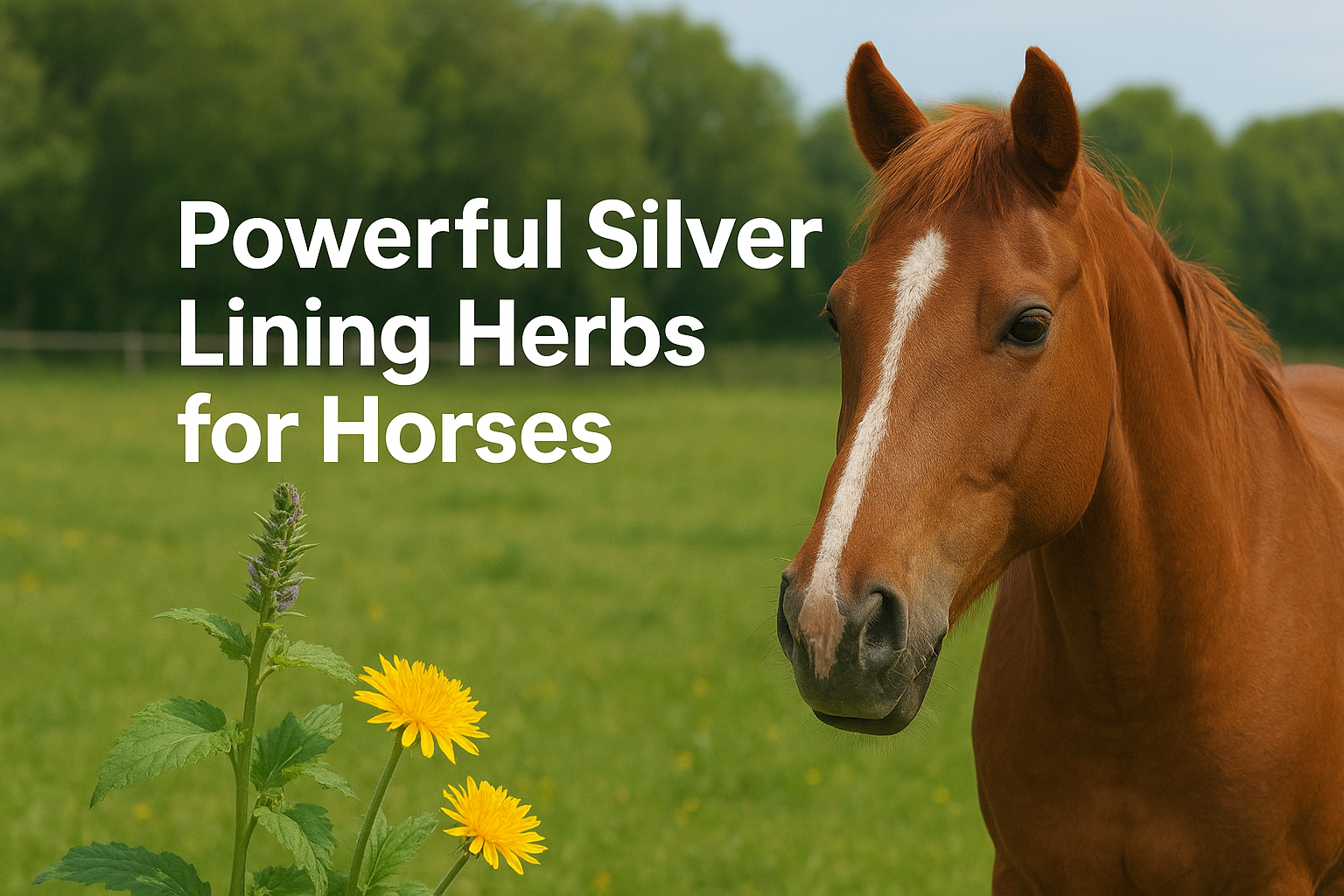
10 Most Powerful Silver Lining Herbs for Horses
There’s something sacred about caring for a horse. The sound of their hooves, the softness of their breath, the way they look at you when they trust you completely. If you’ve spent enough time around horses, you already know they’re not just animals. They’re companions, teachers, and living reflections of our energy. And just like us, they need balance to thrive.
Lately, I’ve been noticing how many horses struggle with things we once thought were rare. Digestive upsets, anxiety, dull coats, stiffness, and even skin flare-ups seem to appear more often now. Some of it comes from feed, some from stress, and a lot from the fact that most domestic horses can’t roam freely and eat what nature designed for them. That’s where herbs come in. They remind the horse’s body how to heal itself.
Silver Lining Herbs is one of those brands that quietly does it right. Their formulas aren’t made to force results. They’re made to restore the natural rhythm within a horse’s system. Let’s talk about some of the most powerful herbs they work with, and how they can bring a bit of nature’s wisdom back to your barn.
The Secret Language of Herbs and Horses
Before we get into the list, I want to tell you something you probably already feel deep down. Horses understand plants. In the wild, they instinctively graze on roots, leaves, and flowers that support digestion, joints, or immunity. Every bite has a purpose.
But when we confine them to paddocks and controlled diets, that natural pharmacy disappears. Herbs aren’t about magic. They’re about remembering what was once normal. When you bring herbs into your horse’s life, you’re simply giving them back what nature took away.
Let’s look at ten herbs that have proven time and again to help horses glow from the inside out.
1. Slippery Elm
If I had to pick one herb every horse owner should know, it would be slippery elm. This humble bark is a lifesaver for the gut. It coats the stomach and intestines with a soothing layer that protects against irritation and ulcers.
Horses under stress, or those that gulp their feed, often show signs of stomach discomfort. You might see it in their restlessness or the way they pin their ears at feeding time. Slippery elm calms all that. It helps food move gently through the system and allows the gut to absorb nutrients properly.
I once worked with a mare who’d been on medication for months. Her belly was tight, and she’d lost interest in her grain. After two weeks on slippery elm, she relaxed. Her appetite returned. You could almost see the relief in her eyes.
2. Garlic
Garlic might be simple, but it’s one of the oldest herbal friends in the book. It helps the immune system stand tall and adds a subtle layer of defence against biting insects. When used right, it makes your horse less appealing to flies and mosquitoes.
It also supports healthy respiration, especially for horses who spend time in dusty barns or have mild coughs. But here’s the thing: garlic should never be overdone. Too much can interfere with red blood cells. A little goes a long way.
I’ve seen barns where every horse smells faintly of garlic in the summer. You’ll notice fewer flies and a certain shine to their coats that only healthy blood can bring.
3. Marshmallow Root
If slippery elm is comfort for the stomach, marshmallow root is comfort for the whole body. It’s moistening, soothing, and gentle enough for even sensitive horses. This root helps with respiratory issues and urinary health, easing inflammation wherever the body needs it.
Horses with dry coughs, irritated throats, or that raspy sound after work often respond beautifully to it. Some people pair marshmallow with slippery elm for a complete internal reset.
I like to think of a marshmallow as a soft blanket from the inside. It gives the tissues time to rest and recover, especially after long rides or seasonal shifts.
4. Burdock Root
When a horse’s coat looks dull, or the skin seems itchy and tired, it’s often a sign that the liver and blood need a little help. Burdock root does just that. It’s a natural cleanser that gently moves toxins out and supports the liver and kidneys.
This herb is especially helpful after deworming or antibiotic treatments. It helps the body clear out the leftovers and restore balance. Horses on burdock often develop that deep, healthy sheen that makes their coats glisten in the sun.
I always say, when the liver smiles, the coat shines.
5. Chamomile
Some horses carry their tension like humans do. They overthink, they worry, they react before they breathe. Chamomile is for those horses. It soothes without sedating and helps calm nervous energy in both mind and body.
You can use it for trailer rides, competitions, or simply for horses that get uneasy when separated from their herd. It’s also good for digestion, since anxiety and gut tension often go hand in hand.
One gelding I worked with used to sweat before loading into a trailer. We gave him chamomile tea mixed into his feed for a week. He still hesitated at the ramp, but his eyes softened. By the second week, he walked in like it was no big deal. That’s the power of gentle herbs.
6. Dandelion Leaf and Root
People call it a weed, but to me, the dandelion is pure gold. Both the leaves and roots are full of vitamins and minerals that strengthen the liver, kidneys, and digestive system.
Horses love the taste when they’re allowed to graze freely, which tells you something. It helps balance fluid levels, supports detox, and restores vitality after illness or hard work. If your horse tends to puff up or retain water, dandelion can be a quiet miracle.
I’ve noticed older horses in particular benefit from it. It keeps them feeling light and clear, not bogged down or sluggish.
7. Hawthorn Berry
For heart and circulation, nothing beats hawthorn. It strengthens the cardiovascular system and helps blood flow smoothly. Horses that are aging or in heavy training respond especially well to it.
You’ll often see better endurance, more stamina, and calmer recovery times. Hawthorn supports the heart muscle gently, allowing oxygen to reach every cell.
There’s something noble about hawthorn. It doesn’t rush. It simply supports, day by day, until strength becomes second nature again.
8. Licorice Root
Licorice is the harmonizer. It ties everything together. This root balances the adrenal system, supports immunity, and enhances the effects of other herbs. It’s also a natural anti-inflammatory, which makes it great for stressed or overworked horses.
But like garlic, it should be used with respect. Too much, for too long, can retain water or affect hormones. Still, when used thoughtfully, it brings a sense of equilibrium that you can actually feel in your horse’s energy.
There’s a sweetness to licorice that seems to reach beyond the physical. It’s as if the body and spirit both breathe easier.
9. Echinacea
When your horse is run down, fighting off something, or just recovering from travel or vaccination, echinacea is your friend. It strengthens the immune system and helps the body respond faster to invaders.
It’s not something you use all the time. Echinacea works best in short, focused bursts, about ten days on, ten days off. That keeps the immune system active without overstimulation.
Think of it as a herbal shield. It stands guard when your horse needs it most, then steps back when the coast is clear.
10. Milk Thistle
Milk thistle is a great liver protector. Whenever a horse has been through medication, illness, or chemical exposure, this herb is the one that helps the liver regenerate. It clears toxins, boosts recovery, and restores natural energy.
A tired liver shows up in subtle ways, such as a dull coat, slower healing, or even moodiness. Milk thistle refreshes that inner engine.
I’ve had horses come out of long treatment cycles looking drained. After a few weeks on milk thistle, their eyes regain their brightness. You can tell life is coming back.
How to Bring Herbs into Your Horse’s Life
Start small. Introduce one herb at a time, and watch how your horse responds. Horses are intuitive creatures; they’ll often tell you if something feels right or not.
Consistency matters more than quick results. Herbs work slowly, building strength and harmony from within. Use trusted brands, and always choose herbs that are clean and free of fillers. Silver Lining Herbs is one of the few I truly trust for that reason.
Keep an eye on your horse’s coat, appetite, and energy levels. These are the stories the body tells when balance starts to return.
Signs of a Horse in Balance
When herbs start doing their quiet work, you’ll notice the difference. The eyes brighten. The coat shines. The mood softens. There’s a peaceful confidence in how the horse moves and rests.
Digestion becomes smooth, the hooves grow stronger, and recovery times shorten after rides. It’s not dramatic, it’s graceful, like nature always intended.
Sometimes the change isn’t visible at first. But you’ll feel it. You’ll sense it in the way your horse greets you at the gate.
When to Give Herbs a Rest
There are times to pause. Pregnant mares, horses on strong medication, or those with new health issues should be guided by a vet or experienced herbalist. Herbs are powerful allies, but they must be used thoughtfully.
If your horse ever shows signs of discomfort after starting a new blend, step back and reassess. Sometimes the body needs rest before renewal.
Nature heals in cycles, not straight lines.
The Heart of the Matter
At the end of the day, herbs aren’t just about treatment. They’re about connection. They remind us that our horses are living, breathing beings with needs that mirror our own. They need calm. They need nourishment. They need trust.
Working with herbs invites you to slow down and observe. It teaches patience. You begin to notice the smallest signs of wellness, the gleam in the eye, the softness in movement, the quiet sigh of contentment.
When we care for horses this way, we aren’t just feeding them. We’re listening to them. And that, to me, is where true healing begins.
So next time you brush your horse’s mane or watch them graze in the light, think about what nature might be whispering through those herbs. Isn’t it time to let your horse remember what healing really feels like?