Have you ever noticed how certain plants seem to carry a special energy around them? Maybe you brushed past a pot of basil growing on a sunny windowsill and felt strangely uplifted. Perhaps you caught the scent of cinnamon and instantly thought of warmth, comfort, and possibility.
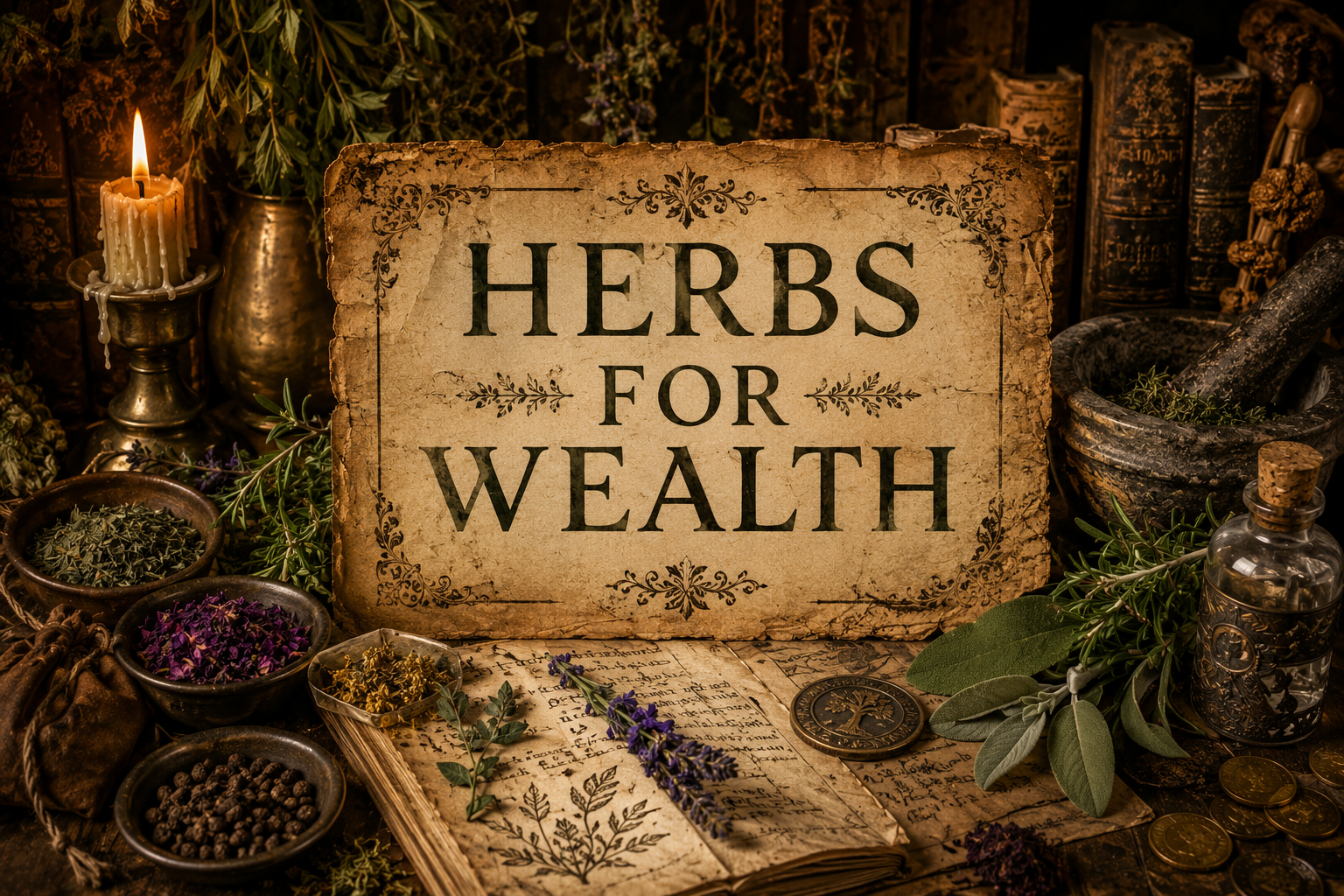
For centuries, people have looked to herbs not only for healing and nourishment but also for attracting prosperity. Across different cultures and spiritual traditions, certain plants became symbols of abundance, luck, success, and financial growth. Whether you practice witchcraft, enjoy manifestation rituals, or simply love working with herbs, exploring prosperity plants can be a fascinating journey.
One thing I always remind people is that herbs are not magic lottery tickets. They are companions. They help us focus our intention, strengthen our belief, and create rituals that keep our goals alive in our minds and hearts. When paired with practical action, they can become powerful allies.
Let’s explore fifteen herbs that have long been associated with wealth, prosperity, and financial abundance.
1. Basil
Basil is probably one of the most beloved prosperity herbs in the world. In many folk traditions, it has been linked to money, success, and good fortune.
I often recommend basil to beginners because it is easy to grow and incredibly versatile. A healthy basil plant sitting near your front door is believed by many practitioners to invite opportunities and positive energy into the home.
Some people carry dried basil leaves in a small pouch. Others sprinkle basil around their workspace or add it to prosperity jars. Even tending a basil plant can become a ritual of nurturing abundance.
2. Cinnamon
Few herbs and spices have a stronger reputation in prosperity work than cinnamon. Its warm scent feels energetic and vibrant, almost like it is encouraging movement and action.
Many manifestation practitioners use cinnamon when they want to speed things up. Looking for new business opportunities? Hoping for financial growth? Cinnamon often finds its way into those rituals.
One traditional practice involves blowing a pinch of cinnamon through the front doorway at the beginning of the month while focusing on prosperity. Whether you see it as symbolism or spiritual practice, it is a beautiful way to set intentions.
3. Bay Leaf
Bay leaves have a long history of being used for wishes, goals, and manifestation work. There is something wonderfully simple about them.
Many people write a financial goal or intention directly onto a dried bay leaf. The leaf then becomes a physical reminder of what they are working toward.
I have always loved this practice because it combines clarity with action. Instead of vaguely wishing for more money, you define exactly what abundance means to you.
4. Mint
Mint is often associated with growth and expansion. It spreads quickly in the garden and can be surprisingly difficult to contain.
That natural tendency to multiply has made mint a symbol of increasing wealth and opportunities. It is easy to see why people made the connection.
Growing mint near your home or placing dried mint in a wallet are common prosperity traditions. Even a simple cup of mint tea can become a moment to reflect on your financial goals.
5. Chamomile
Most people think of chamomile as a calming herb. What surprises many beginners is its long connection to luck and prosperity.
Traditional folklore often linked chamomile with good fortune, especially in matters involving money. Some merchants and travellers carried it for luck.
There is something comforting about working with chamomile. Wealth is not always about chasing more. Sometimes it is about feeling secure, grateful, and open to receiving.
6. Alfalfa
Alfalfa may not be the first herb that comes to mind when thinking about prosperity, but it has a strong reputation in folk magic.
Historically, it was often used to prevent poverty and protect resources. Instead of attracting new money, it was believed to help preserve what someone already had.
That lesson feels surprisingly relevant today. Building wealth is important, but protecting it matters too.
7. Patchouli
Patchouli has an earthy aroma that people tend to either adore or avoid. There is rarely a middle ground.
In prosperity traditions, patchouli is often connected to material abundance and financial attraction. Its grounding nature makes it a favorite in money rituals.
A few drops of patchouli oil on a prosperity charm or ritual candle can help create a strong sense of focus and intention.
8. Ginger
Ginger carries a fiery energy that feels impossible to ignore. It stimulates movement, confidence, and determination.
Whenever someone tells me they feel stuck in life, ginger is one of the first herbs I think about. Financial abundance often requires action, courage, and persistence.
Adding ginger to teas, spell jars, or manifestation rituals can symbolize momentum and forward movement toward goals.
9. Clove
Cloves have long been valued for their protective qualities. Prosperity traditions often pair them with money drawing herbs.
Protection may not sound exciting at first, but it plays an important role in abundance work. What good is attracting opportunities if negative influences constantly drain your energy?
Many practitioners add cloves to prosperity sachets or keep them near important financial documents as a symbolic form of protection.
10. Thyme
Thyme is frequently associated with courage, confidence, and personal strength. Those qualities can be surprisingly important when building a prosperous life.
Think about it for a moment. How many opportunities are missed because of fear or self doubt?
Working with thyme can serve as a reminder to trust yourself, take calculated risks, and move forward with confidence.
11. Nutmeg
Nutmeg has a rich history in prosperity folklore. Travellers often carried whole nutmeg seeds as charms for good luck and financial success.
There is something charming about that tradition. Imagine carrying a small seed in your pocket as a reminder that fortune often favors preparation and optimism.
Some people still keep whole nutmeg in their wallets or prosperity pouches today.
12. Rosemary
Rosemary is often associated with memory and mental clarity. While that may not sound directly connected to wealth, think about how important clear thinking is when making financial decisions.
Prosperity is not only about attracting money. It is also about recognizing opportunities, managing resources wisely, and staying focused.
A rosemary plant growing near your home can become a daily reminder to approach financial matters with awareness and wisdom.
13. Lavender
Lavender is known for bringing peace and balance. At first glance, it might seem like an unusual prosperity herb.
Yet abundance flourishes best when we are calm and centered. Constant stress can cloud judgment and make it difficult to recognize opportunities.
Working with lavender encourages a mindset of trust rather than fear. Sometimes that shift alone can open unexpected doors.
14. Irish Moss
Irish moss has earned a reputation as one of the strongest prosperity herbs in folk traditions. It is often included in money drawing charms and abundance rituals.
Many practitioners consider it a symbol of steady financial flow rather than sudden windfalls. Personally, I find that idea much more appealing.
Steady growth often creates a stronger foundation than dramatic but short lived success.
15. Sage
Sage is widely known for cleansing and purification. In prosperity work, it is often used to clear obstacles and limiting beliefs around money.
Have you ever noticed how certain thoughts seem to repeat themselves? Perhaps you grew up hearing that wealth is selfish or impossible to achieve.
Working with sage can become a symbolic act of releasing those old stories and making room for healthier perspectives.
Creating a Simple Prosperity Herb Blend
One of my favorite ways to work with prosperity herbs is by creating a personal blend. There is no need to overcomplicate it.
Try combining basil, cinnamon, mint, and rosemary in a small jar. Hold the jar in your hands and focus on your financial goals while preparing it.
Keep it on your desk, altar, or workspace. Every time you see it, let it remind you of the actions you are taking to build a more abundant life.
Common Mistakes People Make
A mistake I see quite often is expecting herbs to do all the work. That mindset usually leads to disappointment.
Herbs can support intention, motivation, and focus, but they cannot replace practical action. Paying off debt, building skills, saving money, and pursuing opportunities still matter.
Another common issue is working with too many herbs at once. Simplicity often creates stronger results because your intention remains clear and focused.
Growing Your Own Prosperity Garden
There is something deeply satisfying about growing prosperity herbs at home. Watching a tiny seed become a thriving plant teaches patience and trust.
Basil, mint, thyme, rosemary, and chamomile are excellent choices for beginners. They are useful, beautiful, and connected to abundance traditions.
Every time you water them, you are also nurturing your intentions. That daily connection can become a powerful spiritual practice.
The Real Secret Behind Prosperity Herbs
After years of working with herbs, I have come to believe that the real magic is not hidden inside the plants themselves.
The magic comes from the relationship. It comes from setting intentions, taking meaningful action, and staying connected to your goals even when progress feels slow.
Herbs help anchor those intentions in the physical world. They remind us that abundance often grows the same way plants do, little by little, season after season.
Conclusion
Prosperity herbs have been treasured for generations because they offer more than symbolism. They create opportunities for mindfulness, intention, and spiritual connection.
Whether you choose basil for growth, cinnamon for momentum, sage for clearing obstacles, or rosemary for wisdom, each plant carries a story that can inspire your own journey toward abundance.
Remember that wealth can take many forms. Financial stability, meaningful work, supportive relationships, inner peace, and personal fulfillment are all expressions of prosperity.
As you explore these herbs and the traditions surrounding them, may they encourage you to dream bigger, act with confidence, and trust that abundance can bloom in unexpected ways when it is nurtured with patience and care, don’t you think?